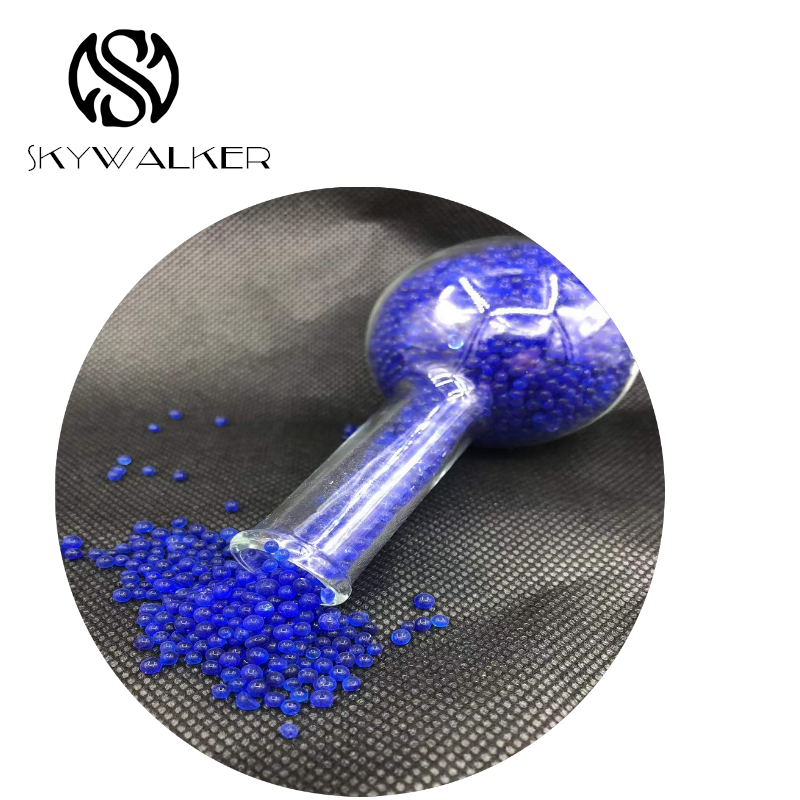
Initiatingthis filtering substance operates as optimal purifying compound commonly harnessed in various applications, particularly in liquid refinement. Taken from the fossilized remains of diatoms, it exhibits a unique permeable architecture that grants premium cleansing. This compound behaves by creating a thin, permeable layer on a membrane filter, retaining tiny impurities while supporting fluid activated bleaching earth transit. Determining the best category of microsilica filter compound is necessary for highest yield.
Mobilizing Filtered Sediment Substance for Cleansing
Microporous compound, composed of the fossilized remains of microscopic algae called diatoms, presents a compelling answer for filtration various ingredients. Its structure, a lightweight network of glass-like shells, provides an incredibly substantial surface area. This permits for highly efficient removal of foreign elements from fluid composites. Functions range from aqua cleansing and wine development to water containment clarifying and even farming means. Virtues include its biological origin, affordability compared to multiple synthetic alternatives, and its competence to efficiently capture a all-encompassing array of pollutants.
- Confers superior component removal.
- Can be a carbon-neutral choice.
- Well-suited for multiple areas.
Enhanced Bleaching Earth: Traits and Functions
Improved bleaching substance is a kind of clean clay that has undergone exclusive preparation to improve its capturing potential. This strategy typically involves catalytic conversion, resulting in a enhanced arrangement with a broad space. Consequently, it exhibits unparalleled ability to extract discolorations from a extensive series of fluids, finding vital roles in the clarification of fats, waxes, and other organic compounds. Moreover, its non-toxic nature and economic value contribute to its progressing acceptance in various businesses.
Diatomaceous Earth Compared to Alternative Filter Agents
Choosing the top filter agent for a specific process can be complicated. While silica gel and other substitutes exist, diatomite generally presents a potent case for its superiority. In contrast to these challengers, diatomite habitually offers better transparency and an increased velocity of separating particles. However, this optimal choice ultimately rests on determinants such as cost, usage requirements, and anticipated deliverable level.
The Science Behind Diatomite Filtration
Diatomite powder also known as diatomaceous sediment filtration separating leverages the unique exclusive structure of highlighted microscopic negligible algae entities. These or the diatoms, upon or after death, form or create a sedimentary siliceous rock substance composed made of intricately extremely porous built silica silicon shells. This said porous honeycomb-like network matrix provides an incredibly remarkably large or surface for or trapping particulate dimensionless matter elements from enclosed by liquids fluidic systems, achieving encouraging highly profound accurate filtration distinguishing.
Amplifying Purification Performance Through Activated Clay
Augmenting such lightening technique by stimulated earth presents a promising strategy for amplifying functionality. This particular natural material, formed from dirt, possesses impressive binding capabilities that equip it to competently extract colored particles from weaves, thereby lessening the need for harsh manufactured reagents and promoting a greener effect.
Knowing Diatomite Filtration Powder Categories
Selecting the appropriate filter media quality is important for productive filtering processes. Porous sediment grades are sorted by their crystalline magnitude, usually expressed in fine scales. Lower grades, like FF or Filter-X, offer top-notch purity and are preferable for fine liquids, while heavier grades, such as Perlite or Celite 500, deliver a heightened fluid throughput for fewer tasks. Understanding these alterations will enable you to advance your filtering benefits and minimize outlays tied with the operation.
Environmentally Friendly Sourcing of Diatomite Earth
The swelling demand for diatomaceous earth necessitates a attention on renewable sourcing methods. Traditional excavation often demands significant land disturbance and can damage vicinal ecosystems. Now, forward-thinking enterprises are inquiring alternatives, such as rehabilitation of exploited sites, ensuring mitigated disruption and conserving species variety habitats. Furthermore, visibility in the system is turning into crucial, allowing clients to decide informed conclusions and promote environmentally safe processes. Consequently, responsible management of fossilized algae earth stocks is vital for persistent availability and controlled environmental outcomes.
- Lowered land disturbance.
- Recovery of excavation sites.
- Heightened openness in the system.
Activated Whitening Clay: A Technical Examination
Reviewing a experimental outlook, enhanced clarifying layer represents a singular class of hydrated mineral minerals. Commencing, hectorite matrix is chemically modified via activation – typically involving acid treatment – to dramatically augment its affinitive qualities. The specific enrichment creates a vast coating with a significant number of reactive sites, facilitating the adsorption of colored impurities from liquids. The interaction principally involves intermolecular connections and non-covalent effects, producing a lighter product.