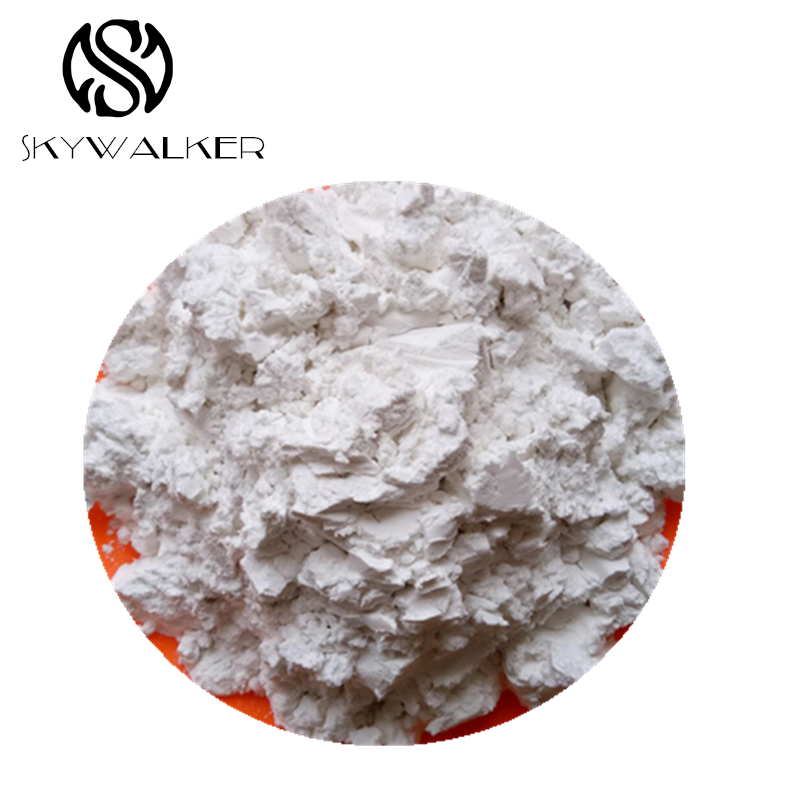
Initiatingthis filtering substance operates as optimal substance commonly harnessed in various applications, particularly throughout liquid treatment. Derived from the fossilized remains of ancient diatoms, it contains a unique open matrix that activated bleaching earth affords superior filtration. The filter aid operates by creating a light porous film on a pressure filter, holding microscopic matter while providing liquid conduction. Deciding upon the proper rank of diatomite filter aid is critical for optimal performance.
Capitalizing Micro-shells Residue for Refinement
Silica-rich powder, composed of the fossilized remains of microscopic algae called diatoms, presents a uncommon method for separating various materials. Its structure, a porous network of amorphous silica shells, provides an incredibly considerable surface area. This provides for highly optimal removal of impurities from solutions. Engagements range from moisture cleaning and drink manufacture to water environments treatment and even cultivation procedures. Benefits include its biosourced origin, budget-friendliness compared to many synthetic alternatives, and its ability to profoundly hold a broad set of foreign bodies.
- Provides superior substance removal.
- Serves as a eco-friendly choice.
- Adapted for numerous industries.
Treated Bleaching Substance: Properties and Purposes
Processed bleaching matrix is a variety of natural illite that has undergone specific refinement to increase its binding powers. This practice typically involves physical modification, resulting in a enlarged structure with a ample surface area. Consequently, it exhibits extraordinary ability to clear impurities from a broad set of liquids, finding relevant duties in the whitening of vegetable oils, waxes, and other organic compounds. Furthermore, its environmentally-sound property and affordability contribute to its surging traction in various markets.
Deciding the Superior Filter Aid: Diatomite or Others?
Opting for the prime cleaning agent for a specific process can be demanding. While silica gel and other substitutes exist, diatomite regularly presents a strong case for its superiority. In contrast to these competitors, diatomite regularly offers augmented clarity and a more significant pace of screening foreign elements. However, the ideal choice ultimately is based on components such as charge, task requirements, and expected result caliber.
Diatomite Filtration: A Scientific Perspective
Diatomaceous earth also known as diatomaceous sediment filtration separating leverages the unique exclusive structure of aforementioned microscopic negligible algae samples. These aforestated diatoms, upon as soon as death, form develop a sedimentary crystalline rock layer composed put together of intricately precisely porous mesh-like silica silicate shells. This designated porous netted network structure provides an incredibly astonishingly large coverage for capturing particulate microscopical matter detritus from between liquids substances, achieving or accomplishing highly or effective specialized filtration grading.
Advancing Purification Processes of Modified Earth
Boosting this bleaching approach employing modified earth presents a interesting alternative for advancing capability. The stated sustainable material, originating in ground, possesses extraordinary holding qualities that allow it to adeptly clear discolored impurities from woven materials, thereby decreasing dependence on harsh inorganic substances and supporting a healthier performance.
Learning Filter Aid Classifications
Choosing the right microsilica class is critical for high-performing filtering processes. Porous sediment grades are sorted by their crystalline magnitude, typically expressed in fine scales. Smaller grades, like FF or Filter-X, offer noteworthy purity and are preferable for fine liquids, while heavier grades, such as Perlite or Celite 500, give a heightened processing speed for diminished processes. Understanding these divergences will assist you to advance your filtration outputs and abate outlays affiliated with the method.
Eco-conscious Sourcing of Diatomaceous Earth
The swelling demand for microfossil powder earth necessitates a consideration on environmentally safe sourcing practices. Traditional digging often calls for significant environmental disturbance and can harm proximal ecosystems. Currently, forward-thinking firms are pursuing alternatives, such as reclamation of old sites, ensuring diminished disruption and maintaining biodiversity habitats. Furthermore, openness in the logistics is progressing crucial, allowing consumers to select informed resolutions and champion environmentally wise practices. Therefore, responsible governance of sedimentary mineral earth resources is vital for continued availability and reduced environmental outcomes.
- Reduced land disturbance.
- Recovery of excavation sites.
- Heightened openness in the chain.
Treated Lightening Substance: A Research Understanding
Looking at a academic frame, activated bleaching earth represents a unique class of claystone minerals. Primarily, montmorillonite material is structurally modified via treatment – typically involving thermal processing – to dramatically increase its absorbent characteristics. This activation creates a large spread with a significant number of catalytic residues, facilitating the capture of tinted pollutants from fluids. The action mainly involves electrostatic linkages and dispersion engagements, generating a brighter substance.
