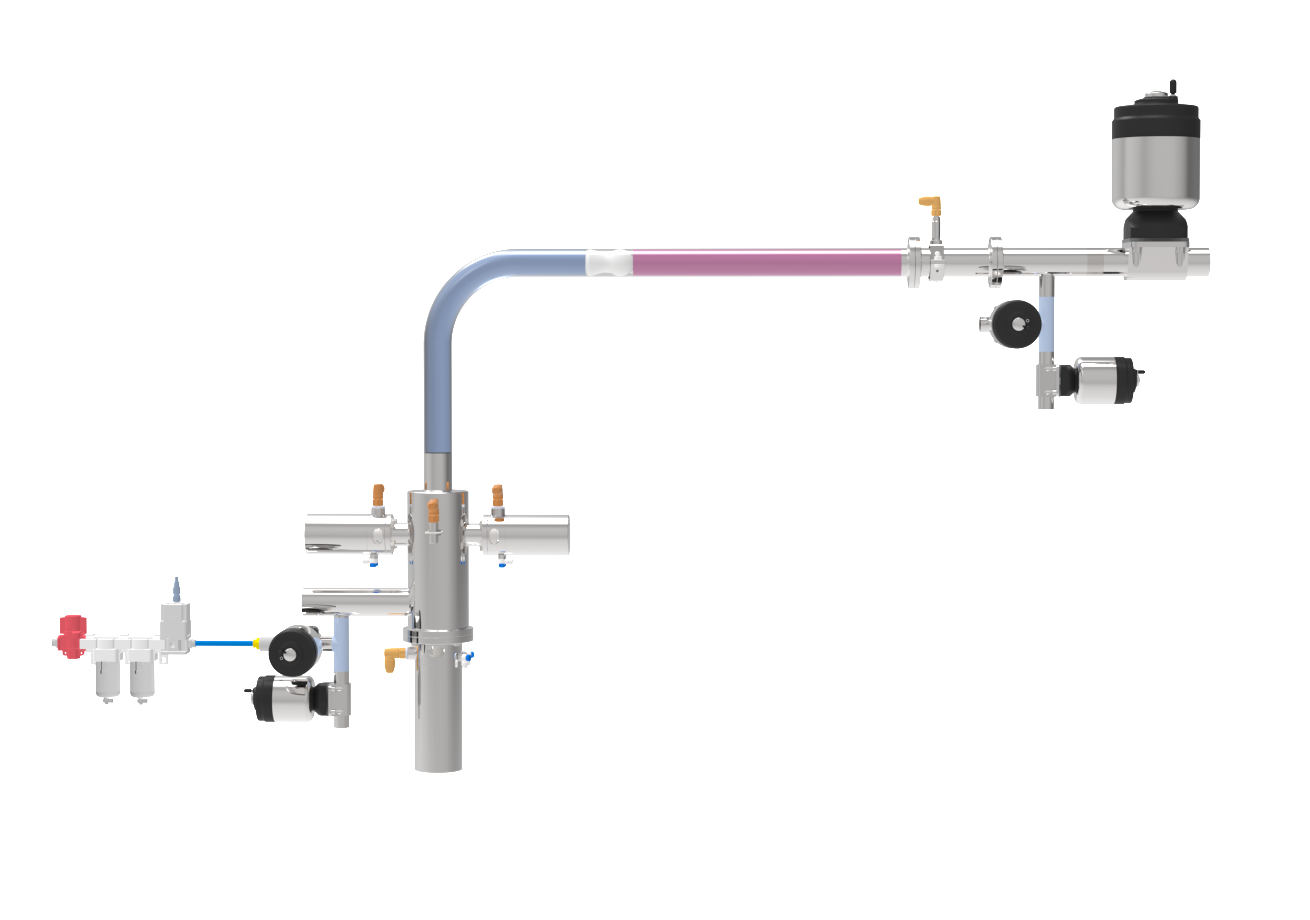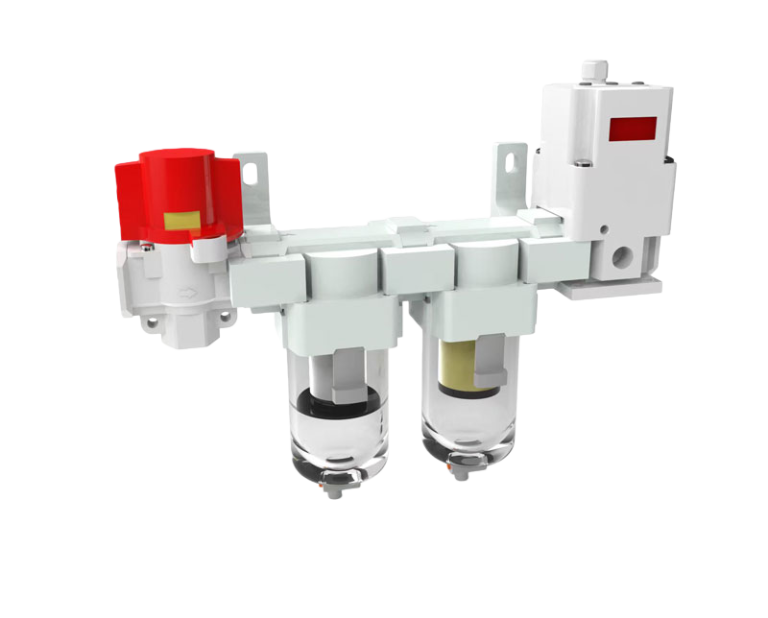
Continuously usual prevalent garment care sphere, slugging methods grant a remarkable boon in managing cleanser products. This novel system minimizes leftovers of effective detergent by utilizing a pig to force it through the pipe – effectively emptying the receptacle. Grasping the essentials of these setups can cause expenditure reduction and a strengthened carbon-neutral execution.
Detergent Pushers Revamp Cleaner Dispensing
The classic method of transporting garment-cleansing detergent presents considerable challenges, often leading to loss and poor performance. However, a innovative approach – pigging systems – is radically remodeling how establishments handle these extensive materials. These systems utilize a elastic "pig," a dense instrument, to force the detergent through a conduit, well eliminating empty spaces and ensuring nearly whole product salvage. Benefits include decreased waste, amplified output, and a reduced environmental effect.
- Minimizes detergent excess
- Amplifies process efficiency
- Facilitates environmentally sound practices
Streamlining Fabric Cleaner Transit through Pigging
Improving productivity in cleaning facilities often involves addressing concerns related to detergent spread. Traditional systems frequently experience loss due to residual detergent clinging to pipes and lines, leading to increased operational payments. Pigging methods, originally utilized in the oil industry, provides a compelling fix to this issue. By sending a “pig”—a specialized gadget—through the detergent pipelines, these systems effectively expel remaining product, maximizing harvest and minimizing wasteful material. This ultimately results in a more renewable and budget-friendly laundry function for firms.
Gains of Slugging for Laundry Detergent Assembly
Implementing pigging offers important benefits for detergent powder production facilities. These systems competently evacuate product remnants from tubes, minimizing loss and curtailing downtime during upkeep. Consequently, all-around productivity is upgraded, culminating in minimized charges and a eco-friendly procedure. Furthermore, pusher technology assists to sustaining standard by preventing mixing between lots and ensuring a sterile final product.
Trimming Material Waste and Amplifying Results: Soap Pigging
Laundry cleaning agent manufacturing can yield significant remnants material, but a progressive process called “pigging” offers a solution to reduce this difficulty. This approach involves using a bendable tool, the "pig," to push remaining detergent from the assembly lines, often thrown away as rest. By repossessing this previously lost cleaning agent, companies can considerably trim spending and upgrade overall commercial functionality. The environmental benefits are also important, as it diminishes the quantity of discard sent to waste sites.
- Cuts Material Expenses
- Upgrades Workplace Capability
- Minimizes Environmental Influence
Deploying Pipeline Pigging in Your Washing Product Operation
To boost production and minimize downtime in your laundry detergent production facility, consider establishing a pipeline system. This novel mechanism reliably gets rid of unwanted compound and build-up from lines, thereby upgrading operation and curtailing discard. A well-designed scraping program can also amplify the period of your conduits network, resulting in significant economic decreases and a more green business.
Green Alternatives for Laundry Cleaner Pigging
The practice of laundry detergent redistributing presents a appealing method towards a strengthened nature-friendly environment. Traditionally, leftover cleaning agent remains in vessels become trash material, increasing to planetary burden. However, this modern method involves collecting laundry detergent pigging system these excess quantities and refining them into beneficial products, particularly soil amendment or business elements.
- Reduces refuse volume
- Minimizes reserve exhaustion
- Offers a green business scheme
Planning Pusher Devices for Fabric Cleaner Solutions
The selection of a slugging framework for washing laundry solution uses presents particular concerns. Thorough study must be given to the viscosity of the compound, which can modify considerably depending on formulation and thermal level. As well, the roughness of certain elements necessitates the picking of durable pusher component and ideal pipe assembly. Powerful removal demands a correct load design to ensure thorough extraction of extra formulation and prevent blockages or harm to the channel organization.
Troubleshooting & Maintenance of Laundry Detergent Pigging Systems
Regular preventative repair and timely failure analysis are indispensable for maintaining the performance of laundry washing pigging operations. Typical issues consist of blockages within the pipeline, cleaning agent buildup hindering flow, and valve defects. Pre-scheduled inspections, consisting of tactile evaluations of hoses, links, and the pig itself, are crucial. Remediating these problems immediately – often through clearing the system or upgrading worn modules – can curtail costly breaks and boost the operational life of the entire setup.