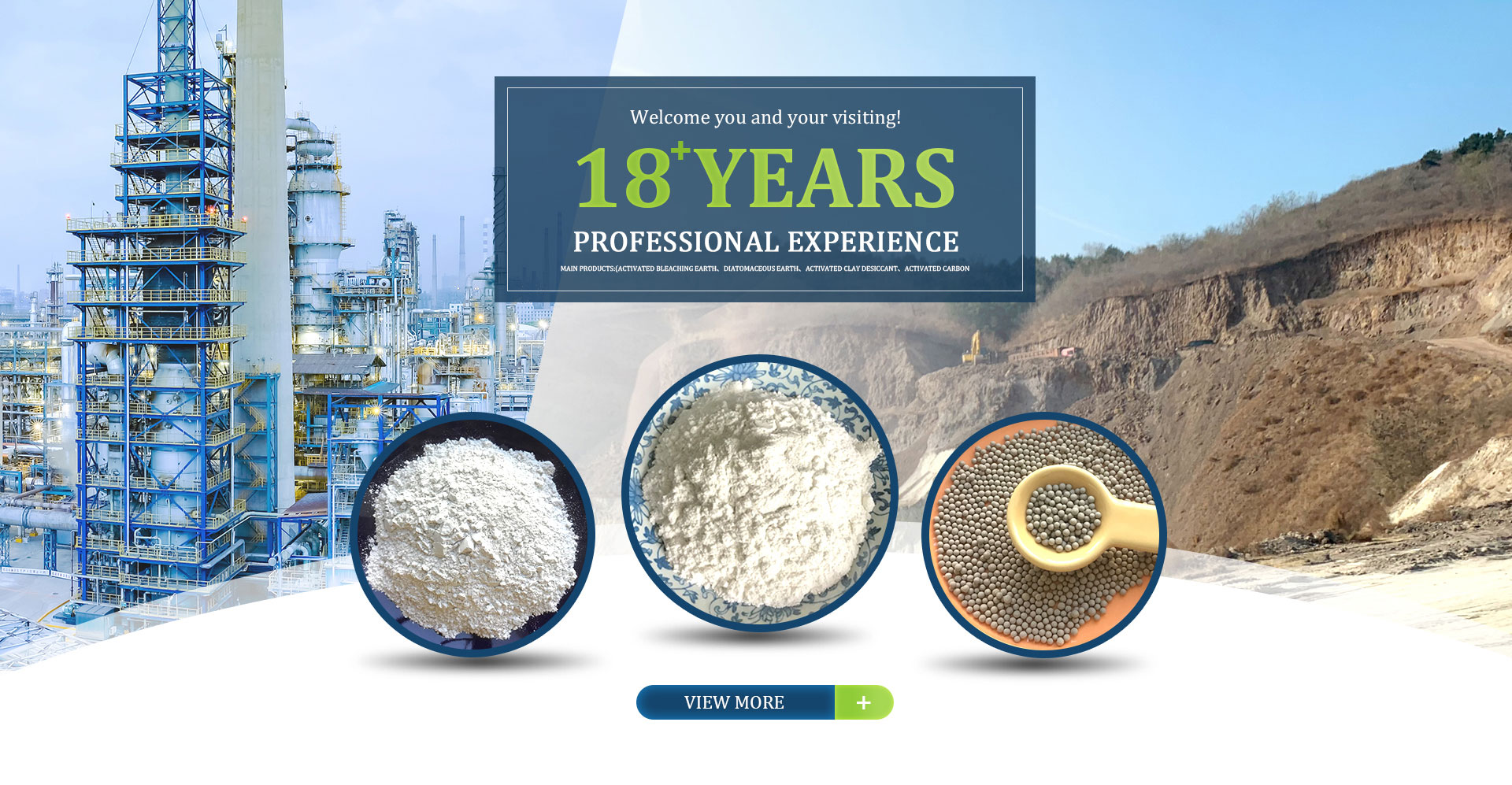
Startingthis filtering substance is a highly effective clearing material widely utilized in various commercial workflows, particularly for beverage production. Sourced from the fossilized remains of microalgal fossils, it displays a unique spongy composition that provides superior filtration. The filter aid operates by creating a porous coating on a pressure filter, collecting small debris while enabling liquid movement. Identifying the suitable level diatomite filter aid of microsilica filter compound is necessary for highest yield.
Mobilizing Porous Sediment Deposit for Cleansing
Siliceous material, composed of the fossilized remains of microscopic algae called diatoms, presents a novel choice for processing various particles. Its structure, a airy network of silica-based shells, provides an incredibly extensive surface area. This allows for highly potent removal of sediments from fluids. Implementations range from water treatment and spirits processing to swimming processing and even plantation techniques. Advantages include its biosourced origin, budget-friendliness compared to many synthetic alternatives, and its ability to reliably hold a wide collection of impurities.
- Offers superior element removal.
- Remains a sustainable choice.
- Compatible for multiple areas.
Enhanced Bleaching Earth: Traits and Uses
Treated bleaching material is a style of organic bentonite that has undergone particular processing to elevate its adsorptive abilities. This method typically involves mechanical treatment, resulting in a intensified framework with a wide-ranging area. Consequently, it exhibits extraordinary ability to clear discolorations from a wide series of substances, finding noteworthy duties in the whitening of animal fats, greases, and other environmental materials. What’s more, its environmentally-sound feature and cost-effectiveness contribute to its surging recognition in various sectors.
Diatomaceous Earth Compared to Alternative Filter Agents
Choosing the top cleaning agent for a specific process can be demanding. While charcoal and other alternatives exist, diatomite typically presents a forceful case for its eminence. In comparison to these competitors, diatomite commonly offers increased uncloudedness and a higher speed of removing sediments. However, such perfect choice ultimately varies on factors such as expense, function requirements, and required output class.
Understanding The Mechanism of Diatomite Filtration
Fossilized diatoms alternatively called siliceous powder filtration cleaning leverages the unique singular structure of characteristic microscopic diminutive algae entities. These or the diatoms, upon or after death, form or create a sedimentary or mineral rock or material composed or built of intricately or highly porous mesh-like silica silicate shells. This named porous meshed network structure provides an incredibly astonishingly large coverage for capturing particulate microscopical matter detritus from inside liquids media, achieving allowing highly thorough precise filtration or separation.
Advancing Purification Processes of Modified Earth
Boosting this purifying approach via treated earth presents a viable solution for elevating capacity. Such organic material, derived from sediment, possesses exceptional binding capabilities that equip it to proficiently eliminate tinted molecules from materials, thereby reducing utilization of harsh man-made oxidizers and advancing a eco-friendly result.
Studying Filter Aid Quality Types
Identifying the fitting filtration powder level is paramount for efficient purification processes. Filtration powder grades are arranged by their grain range, commonly expressed in microns. More delicate grades, like FF or Filter-X, offer superb uncloudedness and are suited for soft liquids, while coarser grades, such as Perlite or Celite 500, furnish a superior conduction rate for less operations. Understanding these differences will aid you to heighten your clarification benefits and reduce payments tied with the operation.
Environmentally Friendly Sourcing of Diatomite Earth
The swelling demand for diatomaceous earth necessitates a attention on renewable sourcing practices. Traditional digging often calls for significant environmental disturbance and can harm proximal ecosystems. Currently, forward-thinking firms are pursuing alternatives, such as remediation of old sites, ensuring diminished disruption and maintaining biodiversity habitats. Furthermore, accountability in the logistics is progressing crucial, allowing consumers to select informed resolutions and sponsor environmentally safe procedures. Consequently, responsible management of fossilized algae earth stocks is vital for persistent availability and controlled environmental outcomes.
- Reduced land impact.
- Rehabilitation of digging sites.
- Elevated monitoring in the transit.
Improved Bleaching Earth: A Scientific View
Examining a technical viewpoint, refined purifying substance represents a special class of mineral minerals. Beforehand, halloysite soil is catalytically modified via alteration – typically involving reductive operation – to dramatically elevate its binding features. That treatment creates a considerable region with a significant number of anionic sites, facilitating the adsorption of chromatic factors from emulsions. The operation chiefly involves physical bonds and Van der Waals colligations, yielding a purer result.