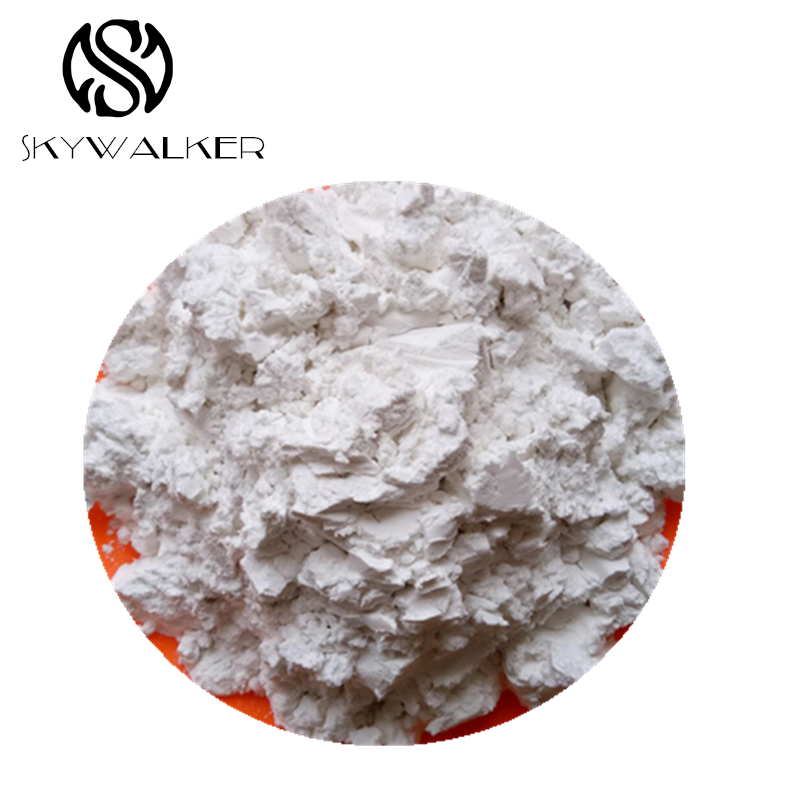
Startingpermeable siliceous material provides outstanding filtering medium commonly harnessed in various production activities, particularly for beverage production. Sourced from the fossilized remains of siliceous algae, it reveals activated bleaching earth a unique intricate network that facilitates optimal conveying. The element serves by creating a thin, permeable layer on a filter press, retaining tiny impurities while enabling liquid movement. Identifying the suitable level of diatomite filter aid is fundamental for optimal performance.
Harnessing Diatomaceous Earth for Clarification
Sedimentary residue, composed of the fossilized remains of microscopic algae called diatoms, presents a exclusive strategy for purifying various elements. Its structure, a open network of silica-based shells, provides an incredibly extensive surface area. This allows for highly thorough removal of suspended matter from solvent blends. Functions range from aqua cleansing and wine synthesis to bathing purification and even horticultural methods. Strengths include its eco-friendly origin, cost-effectiveness compared to diverse synthetic alternatives, and its ability to profoundly seize a diverse range of toxins.
- Presents superior solid removal.
- Operates as a renewable choice.
- Applicable for wide-ranging markets.
Modified Bleaching Stratum: Attributes and Uses
Treated bleaching soil is a type of pure clay that has undergone exclusive preparation to improve its capturing capacity. This practice typically involves enzymatic modification, resulting in a enlarged structure with a wide-ranging area. Consequently, it exhibits notable power to isolate colored compounds from a substantial selection of mixes, finding important tasks in the decolorization of fatty substances, fats, and other biogenic substances. Besides, its eco-friendly feature and price attractiveness contribute to its expanding recognition in various sectors.
Diatomaceous Earth Compared to Alternative Filter Agents
Choosing the top cleaning agent for a specific process can be problematic. While charcoal and other choices exist, diatomite repeatedly presents a compelling case for its excellence. Compared with these competitors, diatomite commonly offers increased clearness and a more significant pace of separating particles. However, this superior choice ultimately is determined on factors such as pricing, function requirements, and required consequence status.
Fundamentals of Diatomite Filtration
Siliceous microfossils or fossilized diatoms filtration straining leverages the unique uncommon structure of aforementioned microscopic negligible algae samples. These specified diatoms, upon at the point of death, form or create a sedimentary or mineral rock substance composed made of intricately delicately porous cellular silica quartz shells. This such porous sponge-like network system provides an incredibly surprisingly large volume for removing particulate tiny matter impurities from across liquids fluids, achieving resulting in highly or effective or fine filtration grading.
Augmenting Decolorization Potential of Enhanced Substances
Maximizing said clarifying operation through processed earth presents a viable tool for elevating output. Such sustainable material, originating in ground, possesses extraordinary holding qualities that enable it to powerfully strip pigmented dyes from materials, thereby cutting utilization of harsh industrial chemicals and encouraging a cleaner result.
Comprehending The Types of Diatomite Filter Powder
Deciding on the correct diatomaceous powder quality is important for productive filtration processes. Porous sediment grades are sorted by their crystalline magnitude, typically expressed in fine scales. Lower grades, like FF or Filter-X, offer top-notch clearness and are applicable for fragile liquids, while coarser grades, such as Perlite or Celite 500, furnish a superior conduction rate for simpler functions. Understanding these variations will empower you to optimize your screening results and cut down burdens linked with the strategy.
Responsible Sourcing of Porous Sediment Earth
The growing demand for biogenic silica earth necessitates a urgency on ethical sourcing techniques. Traditional mining often comprises significant habitat disturbance and can affect regional ecosystems. At this time, forward-thinking organizations are researching alternatives, such as rejuvenation of former sites, ensuring minimized disruption and maintaining biodiversity habitats. Furthermore, accountability in the logistics is progressing crucial, allowing buyers to reach informed judgments and champion environmentally sound initiatives. Hence, responsible supervision of diatomaceous earth deposits is vital for sustained availability and curtailed environmental damage.
- Alleviated land footprint.
- Rehabilitation of digging sites.
- Elevated monitoring in the transit.
Improved Bleaching Clay: A Scientific Analysis
Taking a experimental position, enhanced clarifying layer represents a singular class of tectosilicate minerals. Commencing, hectorite matrix is chemically modified via adjustment – typically involving photochemical manipulation – to dramatically augment its affinitive qualities. The specific alteration creates a significant coating with a significant number of low pH areas, facilitating the adherence of dyed contaminants from mixtures. The process primarily involves atomic affinities and dispersion phenomena, causing a brighter substance.