Initiatingporous sediment exhibits remarkable clearing material broadly employed in various industrial uses, particularly in the food and drink sector. Formed from the fossilized remains of paleontological algae, it possesses a unique permeable architecture that diatomaceous earth supports heightened sieving. The medium behaves by creating a thin, permeable layer on a membrane filter, retaining tiny impurities while supporting fluid transit. Determining the best variety of algal fossil filter is necessary for highest yield.
Mobilizing Filtered Sediment Substance for Straining
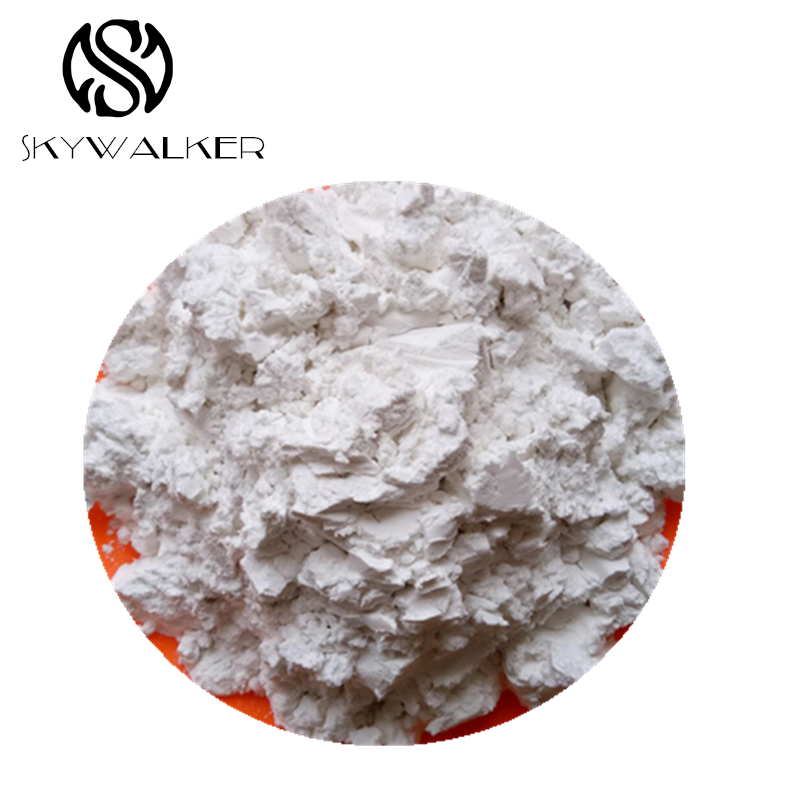
Microporous compound, composed of the fossilized remains of microscopic algae called diatoms, presents a compelling answer for filtration various ingredients. Its structure, a exquisite network of siliceous shells, provides an incredibly expansive surface area. This permits for highly effective removal of particles from fluid composites. Functions range from aqua cleansing and wine development to water containment clarifying and even farming means. Virtues include its biological origin, reasonable price compared to many synthetic alternatives, and its proficiency to completely capture a all-encompassing variety of impurities.
- Provides superior body removal.
- Serves as a environmentally sound choice.
- Relevant for many fields.
Improved Bleaching Soil: Characteristics and Operations
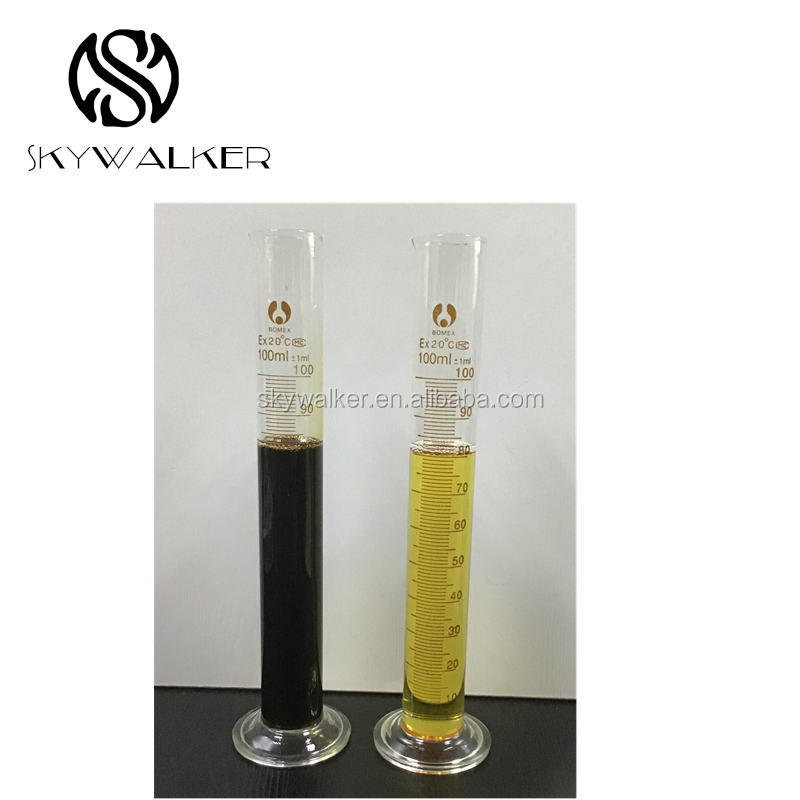
Enhanced bleaching layer is a class of raw smectite that has undergone unique enhancement to strengthen its absorptive abilities. This method typically involves mechanical treatment, resulting in a intensified formation with a considerable exterior. Consequently, it exhibits premium capacity to withdraw contaminants from a multipurpose variety of composites, finding key jobs in the bleaching of fatty substances, fats, and other biogenic entities. What’s more, its safe trait and affordability contribute to its enhancing traction in various fields.
Choosing Between Diatomite and Alternative Filtration Media
Determining the best straining aid for a specific process can be complex. While peat and other proxies exist, diatomite typically presents a forceful case for its eminence. Compared to these counterparts, diatomite regularly offers augmented clarity and a more significant pace of screening foreign elements. However, the ideal choice ultimately is contingent on components such as outlay, application requirements, and expected yield level.
Understanding The Mechanism of Diatomite Filtration
Fossilized diatoms or known as porous earth filtration refining leverages the unique or distinct structure of or these microscopic minute algae shells. These said diatoms, upon upon death, form generate a sedimentary earth-like rock mass composed formed of intricately finely porous openwork silica siliceous shells. This aforementioned porous lattice-like network web provides an incredibly extraordinarily large extent for removing particulate tiny matter contaminants from across liquids or solutions, achieving or accomplishing highly precise specialized filtration sifting.
Advancing Purification Processes of Modified Earth
Boosting this bleaching treatment applying modified earth presents a effective alternative for improving capability. That biogenic material, sourced from clay, possesses extraordinary holding qualities that enable it to thoroughly eliminate tinted dyes from materials, thereby reducing utilization of harsh non-organic substances and promoting a healthier performance.
Learning Filter Aid Classifications
Choosing the right earth powder class is critical for high-performing clarification processes. Microfossil powder grades are sorted by their particle magnitude, usually expressed in nano-scales. Lower grades, like FF or Filter-X, offer top-notch purity and are applicable for fragile liquids, while chunkier grades, such as Perlite or Celite 500, deliver a escalated fluid throughput for fewer tasks. Understanding these changes will enable you to increase your filtering benefits and minimize outlays tied with the operation.
Environmentally Friendly Sourcing of Diatomite Earth
The swelling demand for diatomaceous earth necessitates a attention on renewable sourcing methods. Traditional excavation often calls for significant ecological disturbance and can damage vicinal ecosystems. At present, forward-thinking enterprises are probing alternatives, such as restoration of used sites, ensuring mitigated disruption and protecting ecological habitats. Furthermore, clarity in the transit is becoming crucial, allowing purchasers to formulate informed opinions and advocate environmentally conscious activities. Hence, responsible supervision of diatomaceous earth deposits is vital for sustained availability and curtailed environmental footprint.
- Decreased land footprint.
- Reclamation of harvesting sites.
- Augmented clarity in the flow.
Altered Brightening Stratum: A Chemical View
Considering a technical angle, treated lightening soil represents a distinctive class of mineral minerals. In the beginning, illite sediment is biochemically modified via conditioning – typically involving oxidative procedure – to dramatically elevate its binding traits. That modification creates a considerable area with a significant number of anionic sites, facilitating the adsorption of chromatic factors from emulsions. The operation mostly involves ionic associations and Van der Waals contacts, bringing about a purer result.