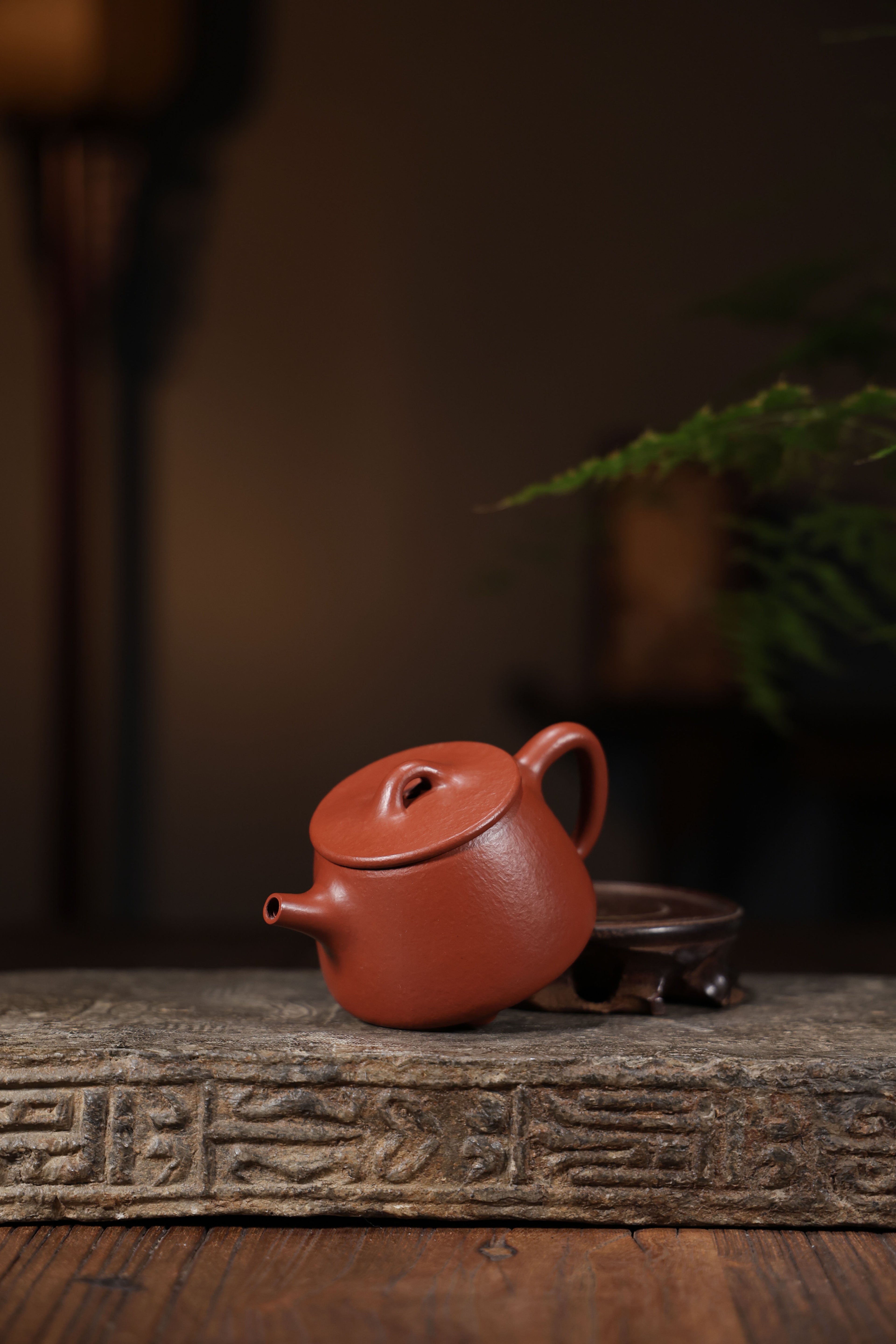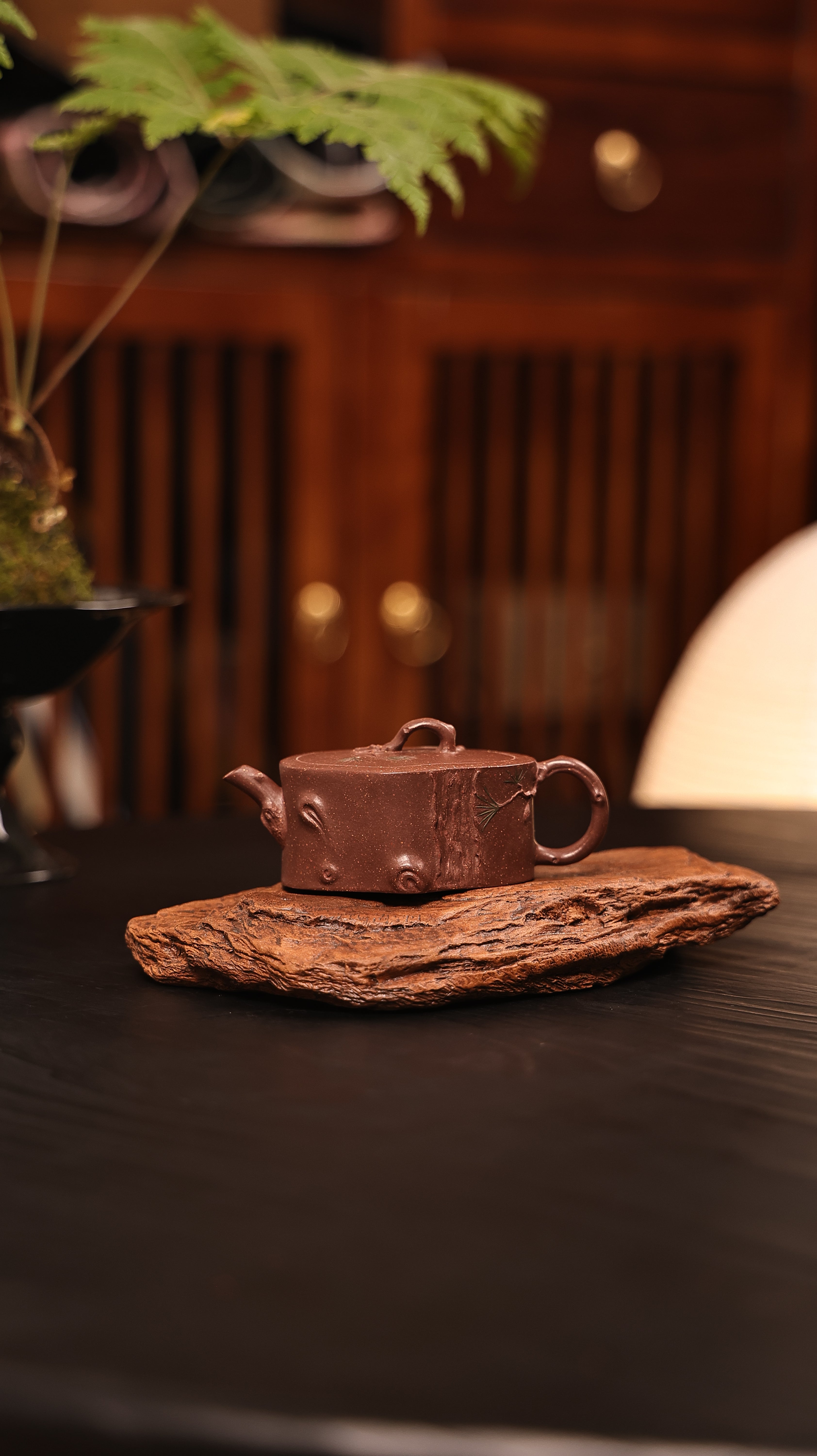
Embarking such complete inspection regarding Ising Tzu-sa teapots presents an captivating combination between skill together with performance.
Eysing Tz'u Sha brewing containers boast this exceptional attraction within collectors internationally. The fascinating ceramic pots, produced from the specific Yixing location close to Jiangsu administration, China, stand as more than just brewing instruments; they function as works artistic beauty and cherished significance. Distinct finely selected clay, known under the name Zisha, imparts a delicate flavor to the tea, and the stylized designs, often exemplifying traditional Chinese motifs, raise their built-in value. Obtaining a genuine Yixing Zisha teapot involves a rewarding journey, asking for careful investigation and an appreciation of the various factors influencing the uniqueness.
Exploring Yixing Brewing Vessels
Ising vessels boast a profound chronicle deeply interwoven with Chinese civilization. Originating in Yixing, Jiangsu area, these pots are crafted from a unique, porous purple dirt found only in that particular location. Their growth began during the Ming reign, with master potters refining the practices over years. Numerous types occur, including the classic Hexiang (resembling crab shells), Zhuni (red-brown hue), and Duan Chinese Teapot Ni (stone-studded) – each with distinctive features. The merit of an Yixing vessel isn't solely based on its size or trim, but also on the creator’s reputation, the earth's quality, and the container’s age and condition. Buyers often seek out older examples, believing they imbibe the nuance of the elixir brewed within them over time, further adding to their desirability.- Heritage Vessels
- Mahogany Vessels
- Stony Vessels
Zisha Teapot Mastery: Expertise & Processes
That crafting of Zisha teapots represents a summit of Chinese ceramic technique. Expert artisans employ classic techniques, often passed down through families, to unlock the full essence of this unique clay. Strategies involve meticulous forming by hand, often combined with the looping method, followed by precise firing at incredibly extreme temperatures in wood-fired kilns. Detailing is equally crucial; artists utilize organic clay colors and may incorporate modeling work to depict intricate scenes or patterns, demonstrating a profound understanding of the material’s features and presence. The conclusion teapot isn't merely a vessel for tea, but a testament to a significant cultural lineage.
Traditional Teapots: The Summary to Yihsing 紫砂
Investigating the world of Traditional teapots generally starts with Yixing Zisha. These special clay earthenware are formed from a exclusive type of clay located only in the Yixing region of Jiangsu Province province. Recognized for its singular reddish-purple hue and premium properties, Zisha clay gives a nuanced flavor to the tisane and progresses with age, forming into a cherished heirloom. Owning Yixing Zisha pots is more than just holding a stunning object; it’s a recognition of history and expertise.
Looking at exclusive Stoneware: Authenticity & Appreciation
Venturing into the realm of Yixing Zisha ware can be truly fulfilling, but demands a thorough knowledge. Veracity is essential; numerous replicas are present, often deceptively made. Educating yourself about traditional tempering approaches, identifying mud characteristics, and the stamps of esteemed fabricators is thoroughly important. In addition, recognizing the nuances of the expansion course – influenced by reasons such as traditional importance and the status of the component – is vital to effective acquisition.
- Surveying curing development.
- Seeking scholars for confirmation.
- Comprehending auction variations.
Such Practice of Formulating with a Terracotta Vessel
The rare allure of a Zisha equipment lies not just in its beautiful appearance, but also in its well-known impact on the savor of the tea. These old clay vessels, sourced from singular regions of China, possess a organic porosity that subtly interacts with the drink and leaves, imbuing the brew with a elegant character. Mastering the practice requires a patient approach, understanding how the earth responds to diverse thermodynamics and foliage types, ultimately leading to a truly rewarding tasting experience.
Upkeeping The Possession
Proper maintenance of your Yixing brewing pot is critical to retaining its quality. These singular teapots, crafted from remarkable Yixing clay, accumulate a character over periods that enhances their significance. Regularly rinse the core with gentle water, avoiding chemicals, and never use severe scrubbing tools. A gentle dusting with a soft cloth can support in eradicating marks. Allow your kettle to properly dry once each infusion
Explaining Purple: Aspects Yixing Vessels Signify Unique
The celebrated appeal of Yixing teapots emerges from the singular properties of Yixing clay, discovered solely near Yixing, the Jiangsu area. This exceptional clay, categorized as ferruginous terra cotta , demonstrates a strange combination of substances that, after aging, receive the taste of the infusions it houses. This causes a remarkable flavor profile for each vessel, rendering it a price far surpassing its initial price and leading to their respected status among aficionados.
Selecting the Best Ancient Kettle: A Zisha Guide
Venturing into the world of Zisha clay teapots can feel daunting, but understanding the essentials is important to picking a valued piece. That kind of clay, sourced principally from the Yixing vicinity, the Jiangsu zone, is acclaimed for its unique porosity and ability to adapt the savor of the liquor over stretch. Appraise the outline, the brightness, and the artistry; a bona fide Zisha teapot is more than just a urn; it's a decorative object and a manifestation of historic culture. Seek the stamp of the craftsman for clues to its history and potential worth.