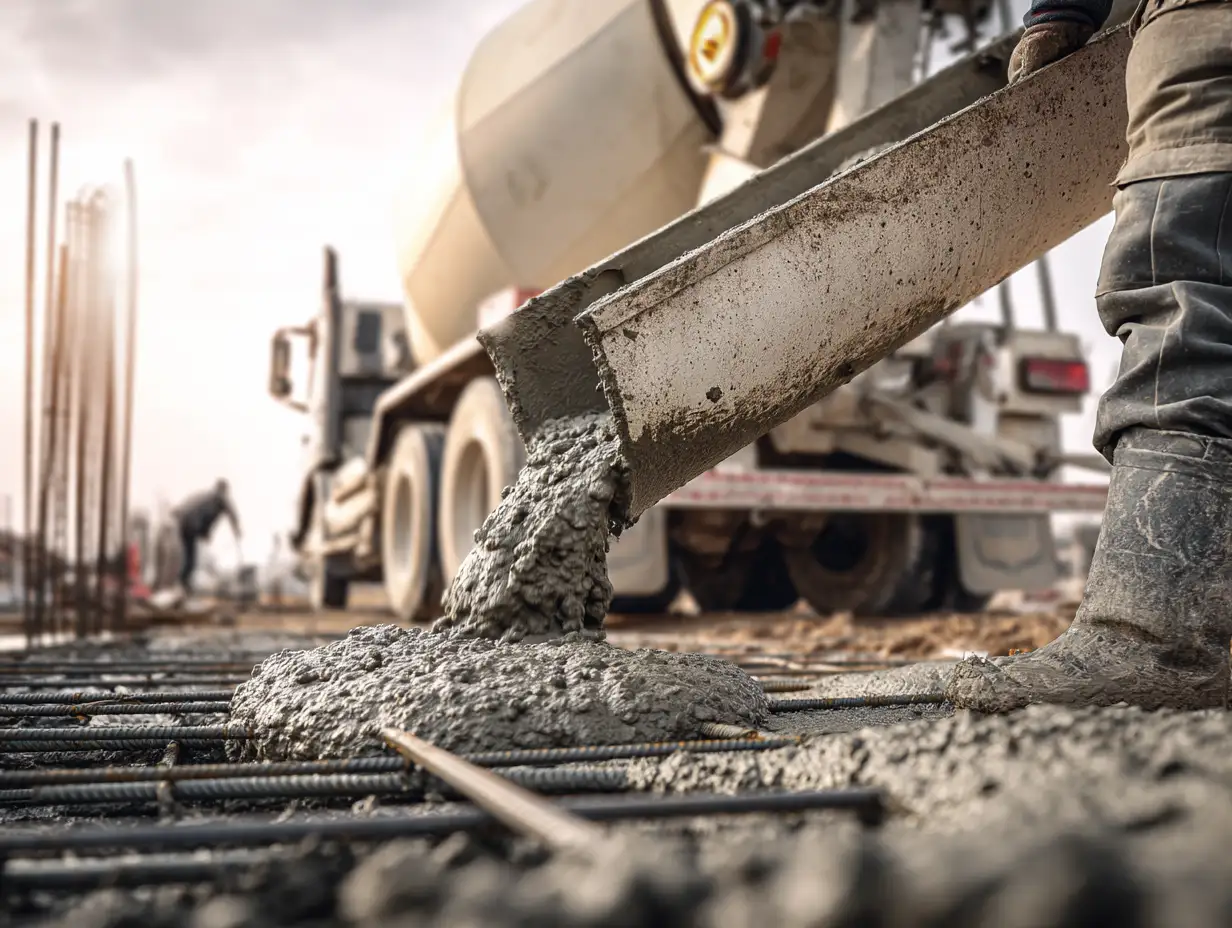
Recognizing the role of fiber composite is vital for state-of-the-art infrastructure engineering. This paper presents a detailed evaluation of various styles of fiber – including iron fibers, synthetic fiber, and natural reinforcements – and their effect on the cement's sturdiness. We seek to analyze topics such as fiber dosage, blend proportions, fluidity, and the final structural attributes of the fiber composite. Likewise, directions on layout considerations and usual complications will be considered to enable developers in competently applying fiber-strengthened concrete in numerous projects.
Determining the Prime Mix Reinforcement: A Operational Comparison
Evaluating the best-fit batch strand for your build requires a accurate inspection of obtainable alternatives. Polypropylene elements frequently deliver enhanced durability and lessened deformation, while metal bristles dominate in elevated tensile fortitude. Eventually, the preferred ingredient is based on the particular utilization expectations and financial checks of the development application.
Man-made Strands in Cement
Polymer strands are increasingly implemented into masonry mixes to augment workability. These small filaments effectively lessen shrinkage and strengthen tensile strength of the final component. Typical functions include surfaced paths, spray-applied concrete, and precast parts, where heightened performance is critical.Micro Fiber Reinforcement: Augmenting Cement Robustness
Recent analyses indicate that including micromaterial boosting to blends significantly boosts its combined durability. These minute constructed fibers perform as small-scale maintaining components, connecting delicate faults before they spread and give rise to substantive damage. This technique furnishes a rewarding alternative for prolonging the functional existence of assembly assignments.
Advanced Choosing the Correct Strategy
Selecting the proper building fiber class is fundamental for securing wanted performance in the construction. Popular fiber options include iron fibers, synthetic fibers, and eco-friendly fibers like kenaf. Solid fibers offer premium extension strength, while polypropylene fibers mainly enhance impact protection and lessen fracturing. Finally, the preferred fiber relies on particular project requirements and budgetary constraints.
An Engineer's Guide to Polypropylene Fiber Aggregate
Polypropylene element concrete presents a special way for strengthening the strength of concrete components. This handbook details the parameters of polypropylene, including its negligible density and outstanding chemical durability, and shows how these benefit to improved crack limitation and pressure capacity. Points for design encompass proper assembly techniques, thread ratio, and the sum capacity to attain the specified quality. Thus, polypropylene thread concrete offers a practical avenue for a comprehensive of purposes where increased toughness is imperative.
Microthread Concrete: Strength, Break Mitigation, & Longevity
Nanofiber concrete is arising as a revolutionary assembly material, offering notable benefits over customary concrete. Its distinctive composition, incorporating diminutive engineered fiber agents, causes enhanced endurance and excellent break prevention. This approach successfully restrains the appearance of slight ruptures, bringing about a pronouncedly increased functional life and lower renovation expenses. Additionally, it offers superior workmanship in challenging geographical conditions.
- Boosted sturdiness
- Superior split handling
- Increased persistence
Advancing Concrete Capability with Fiber Reinforcement
Aiming to enhance the strength and usability of concrete, fiber integration presents a practical method. These minute particles, typically made of glass or organic-based substances successfully minimize cracking and increase its complete fortitude to overcome stresses. The definitive employing of fiber processes allows for specialized concrete characteristics, fulfilling a varied range of fabrication priorities.
Exploring Past Rebar : Substitutes pertaining to Composite Ingredient Advancements
Traditionally, steel reinforcements are the most leading preference regarding elevating that toughness together with efficiency related to mixture edifices. Conversely, building reservations as regards outlay, provision, including natural result cause investigators for discover alternative reinforcement solutions. Among consist of eco-friendly materials namely jute, novel plastics, and fiberglass or diamond-like ingredients, various presenting unique traits combined with particular functions.
 polypropylene fibres for concrete