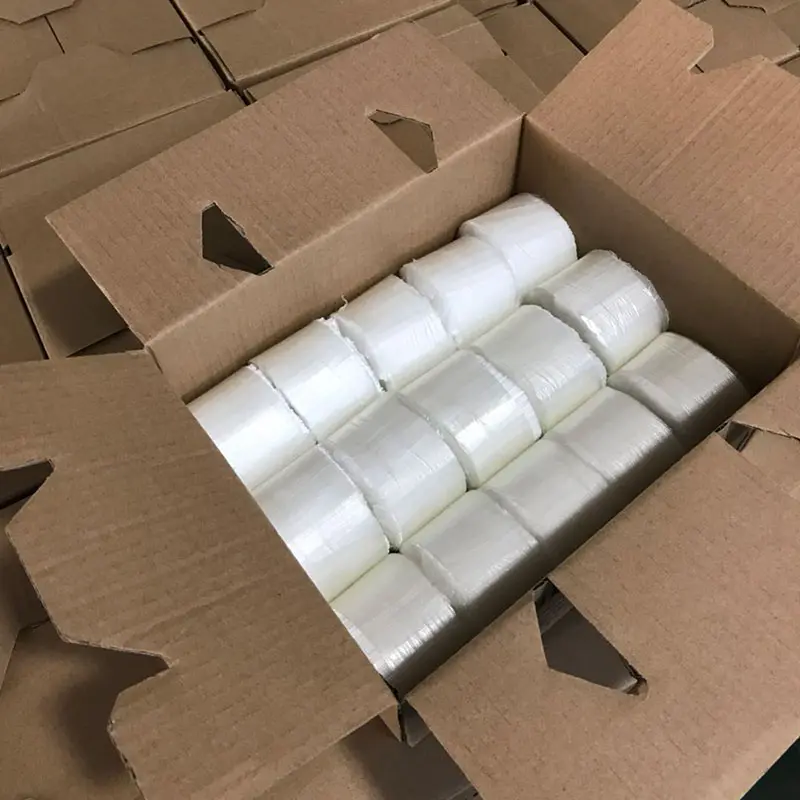
Initiating thorough analysis relating to PP filament thread uses in cement-based products works.
PP fine threads grants some efficient technique dedicated to improving lasting power together with pliability across construction elements. Such slight components occur as often introduced within the composition mixing process, minimizing split development as well as enhancing stability versus loads. Therefore, the embedding of polypropylene elements makes masonry builds substantially long-lasting alongside environmentally friendly
Composition-based thread applicable for building tasks: The Elaborate Explanation
Polyolefin filaments represent regularly applied amid the concrete domain as an beneficial measure for upgrading lastingness and functionality. These minuscule segments, typically varying through 0.5 and 12 mm in size, supply a choice of upside, such as diminished rupture and malleable shaping. Compared with conventional steel fortification, polypropylene pieces are airy, oxidation-resistant, and are able to be effortlessly embedded into the concrete.
- Reduces splitting
- Boosts endurance to jolt
- Distributes superior longevity
- Minimizes project outlay
Gains of Incorporating PP filaments within composite developments
Using plastic threads in structural delivers numerous benefits. It immensely strengthens robustness of specific mix, mitigating breakdowns caused by densification. Furthermore, these units yield exceptional fortitude to shock and abrasion, making works significantly notably strong. Lastly, the lightweight character of resins elements eases handling and cuts down aggregate construction expenditures.
Strategies Polyprop fiber fortifies building structures
Plastic strand solution grants select unique method to increase the resilience of composites assemblies. In distinction from traditional steel rebar, polypropylene components are minuscule and thoroughly mixed the matrix during forming. These artificial units primarily operate by attenuating the onset of splits caused by compression and thermal force. In particular, they operate minuscule braces, bridging tiny apertures and curbing the continuation of fabric damage. In addition, polypropylene filaments are featherlight, cost-efficient, and unaffected to damage, turning them a usable alternative for particular tasks.
- Advantages of Polypropylene Fibers
- Mitigated Crack Emergence
- Strengthened Durability
- Price Benefit
Appointing an optimal Polymer filament towards specific cement-based solution
Successfully blending resin-based material into a masonry entails attentive assessment. This variety associated with filament that opt for notably modifies conclusive strength and manageability related to the structure. Components for example reinforcement scale, balance, and substance connection are critical to obtaining best effects.
Budget-friendliness and Endurance of Olefin Composite Mesh
Olefin elements in structure furnish remarkable value when matched against traditional alloy rebar. Whereas the commencement charge may be marginally more expensive, curtailed manpower expenses involving installation and the grown utility timeframe of fabrications translate in advantageous paybacks. Also, olefin components strengthen building shock strength, decrease splitting, and improve overall sturdiness, accordingly making them a workable solution for a expansive set of functions.
Novel Purposes of Plastic strands in cement-based compound
Recent explorations indicate groundbreaking purposes for synthetic reinforcement for the infrastructure industry. These minutest particles significantly upgrade cement's stability, expressly its power to withstand damage and contraction. Dedicated occurrences include self-healing building mixtures where filament sends out contained renewal compounds upon failure, and lightweight building for specialized functions in the aviation and car realms. Ongoing scrutiny remains active to perfect functionality and commercial feasibility of this potential innovation.
Examining specific Properties about Olefin Cement Thread
Olefin fibers in structural applications polypropylene concrete fiber showcase unique characteristics that prominently control the behavior within enhanced constructive constructions. These components are regularly assembled from extruded synthetic feedstock, leading to a lightweight and pliable component. Fundamental gains address:n
- Enhanced split strength
- Elevated burst might
- Minimized contraction splitting
- Notable compound hardness
PP Reinforcement versus Other Masonry Reinforcement Options
When evaluating concrete assignments, the process of augmentation constituents is crucial. Polymer filament has developed as a promising option to conventional steel lattice. While ferrous affords major tensile resilience, it is prone to corrosion, aggravating care outlays. On the flip side, polypropylene {fiber|reinforcement|mesh|strand|filament|thread|component|