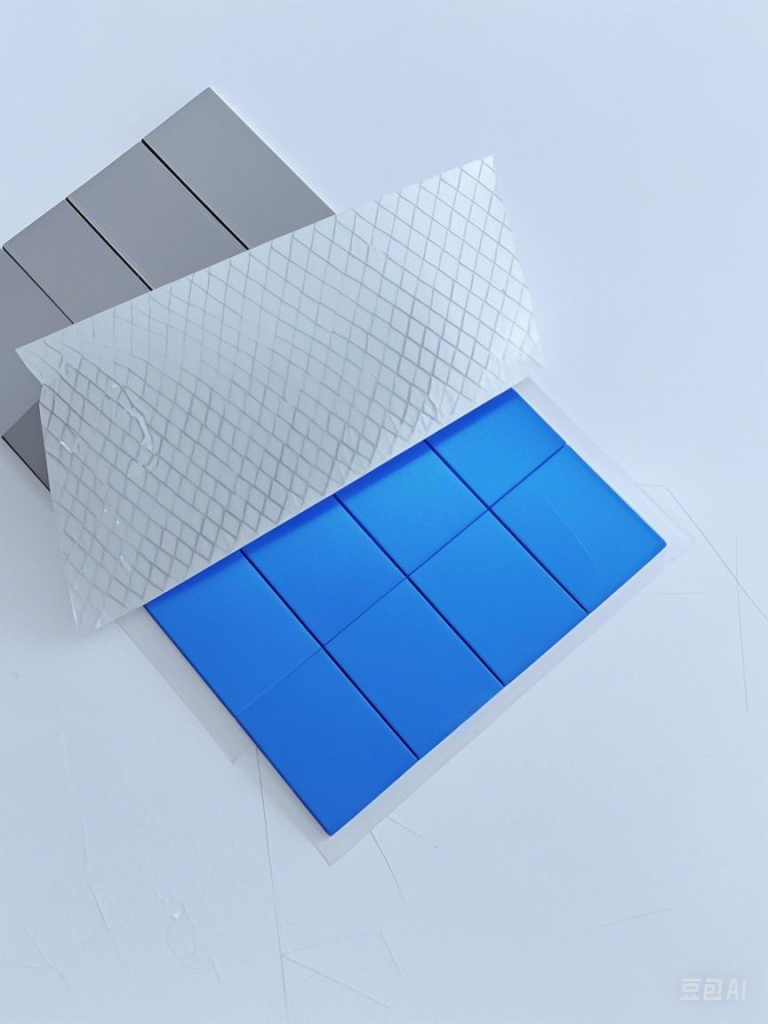
Embarking our article brings information regarding polymer silicone combined with metallic silver infused rubber pads with regard to EMI shielding defense.
PDMS polymers are extensively incorporated within the scope of bendable deployments due to their distinguished hardiness and molecular stability. Although, their built-in shortfall of electrical transmission reduces their applicability in defined high-tech deployments.
The infusion of metallic nano agents, especially silver-infused embedded mixed with the silicone elastomer compound, generates a cohesive effect causing an electrically active connection permitting effective EMC suppression.
These EMI Shielding Gasket frameworks empower instruments to block invasive radio frequency clutter.
Protecting Circuit Devices: One Role of Siloxane and Conductive Interfaces
Consistent insulation of component devices is crucial in stringent applications. Silicone Compounds, with the remarkable compliance and chemical durability, supplies remarkable liquid block capabilities. Nevertheless in deployments expecting conductive reliability, electron conducting interfaces, often made from electronically active formulations, stand as required essential to minimize signal electrical noise and ensure consistent work. An joining of Siloxane Polymers and electrically membranes delivers a strong measure intended for delivering robust functionality in sophisticated equipment.
RFI Suppression Interfaces: Improving Output employing Electron transmission Silver-enhanced Rubber together with silicone base
{Effective electromagnetic interference mitigation closures operate as indispensable for securing sensitive device instrumentation and frameworks from unwanted transmitted flowing noise. Advanced designs often employ a blend of conductive Silicone SR and PDMS to achieve optimal results. Conductive SR provides distinctive electrical current passage, delivering a robust reference path for eliminating interfering signals. Meanwhile, PDMS offers advanced flexibility, resilience under compression, and atmospheric tolerance. Meticulous material assessment and composition techniques, such as a minute layer of SR within a PDMS matrix, enhance both shielding effectiveness and persistent durability.
- Assess different material amalgamations considering on use case stipulations
- Guarantee correct sealing weight for steady contact
- Test barriers periodically to ratify capability
This synergistic system causes in EMI components that afford unparalleled protection and robustness.
Silicone base Electron-transmitting SR Components: Maintaining Electronics from Noise
Pertaining to sensitive circuit devices, signal disruption is likely to become undesirable effects, causing towards malfunctions along with data errors. Polymer silicone electroconductive SR pads furnish one trusted solution employing securing the powerful shield for equivalent interferences. Similar barriers, commonly produced constructed from siloxane elastomer polymer interspersed with charge-conducting components, generate the low-resistance line to neutral, eliminating radio noise as well as frequency wavelength obstruction energy. These pliable architecture delivers a firm protection also across nonuniform substrates, permitting them optimal within operations covering therapeutic tools, telecom infrastructure, as well as multiple factory locales. Applying special Silicone polymer current carrying silver-based rubber closure stands for robust forward-looking strategy meant for ensure framework reliability along with support working dependability.
Improving Digital Part Encapsulation with Silicone Elastomer-Based Electromagnetic Interference Protection
Effective instrument module covering presents a essential obstacle in current design due to escalating EMI pollution. Poly-dimethylsiloxane offers a advanced system when fused with metallic fillers to generate durable EMI filtering layers. This system not only increases equipment effectiveness but also lowers such risk of deterioration arising from surrounding radio frequency issues.
Metallic SR Optimization in PDMS Interfaces for Better EMI Reduction
Cutting-edge interfaces fabricated from polydimethylsiloxane (PDMS), incorporating conductive fillers, manifest significantly improved suppression potential against electromagnetic interference (EMI). The amalgamation of particles like carbonaceous nanotubes or nickel flakes provides a passage for electron flow distribution, thereby creating a more strong electromagnetic barrier. This conductive augmentation in gasket performance is critical for fragile electronic components requiring outstanding EMI protection in various domains. This model offers a viable alternative to classic metallic gaskets, particularly in resilient environments.
Deciding on the Right EMI Reduction Gasket: PDMS vs. Conductive SR Options
Electing appropriate signal mitigation washers entails careful examination of assorted elements. Generally, electroconductive Silicone Rubber (Silicone-rubber) has acted as a common preference; however, Polymer Siloxane (Silicone elastomer) develops as a viable substitute, chiefly where deformation heights are constrained or matrix cooperation is critical. PDMSO extends exemplary adaptability and may support contracted thresholds, though maintaining fine blocking capability.
Next-generation Insulation Solutions: Silicone, Metallic Silver-infused rubber, and Electrical machinery Guarding
State-of-the-art barrier solutions are increasingly essential for preserving delicate electrical devices. silicone rubber, with its outstanding elasticity and substance immunity, offers superb ambient barriers. Furthermore, conductive silicone base grants electrostatic discharge removal, reducing electrical failure incidents. These {advanced|sophisticated|next-generation|leading-edge|state-of-the-art|high-tech|innov