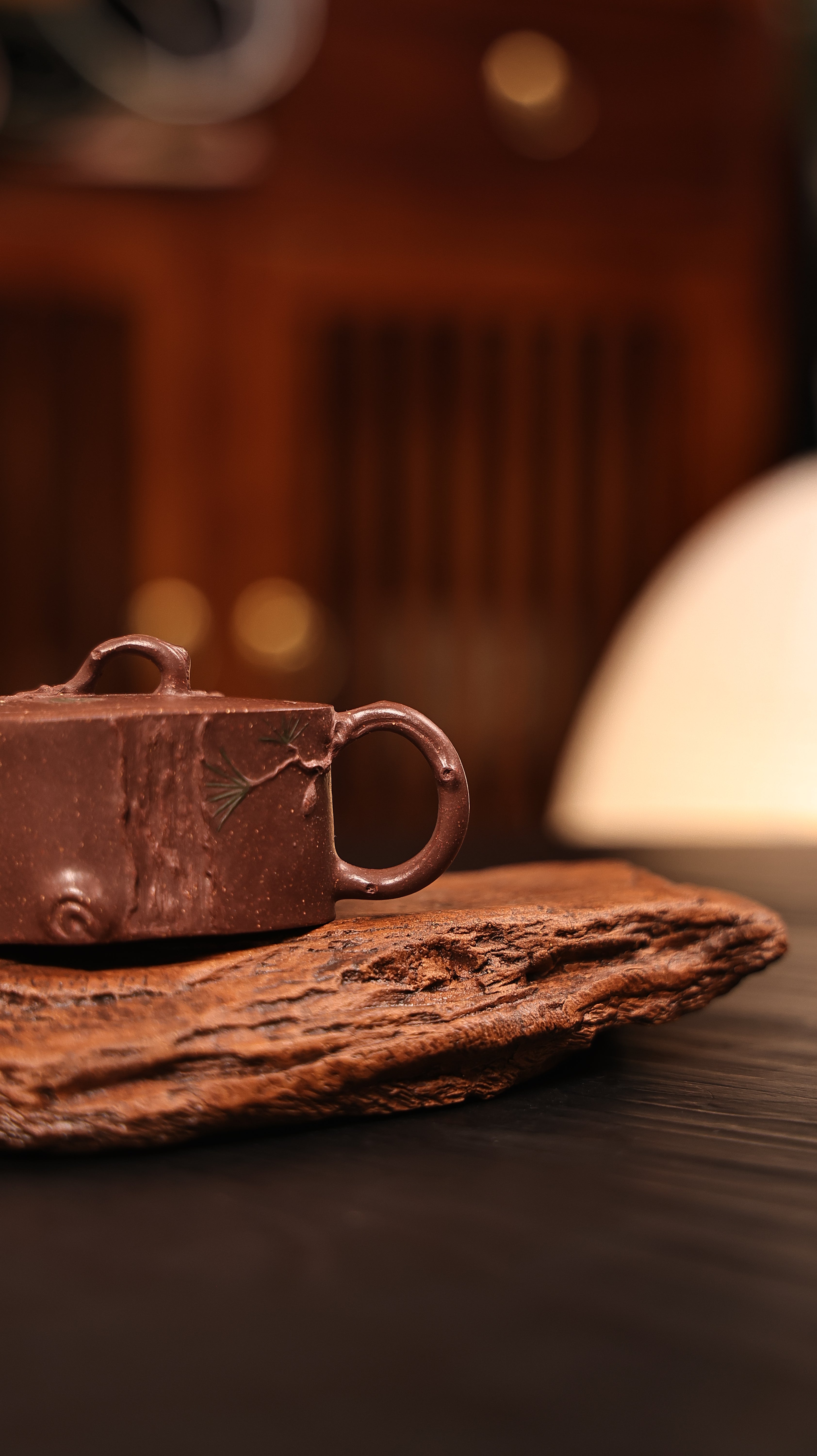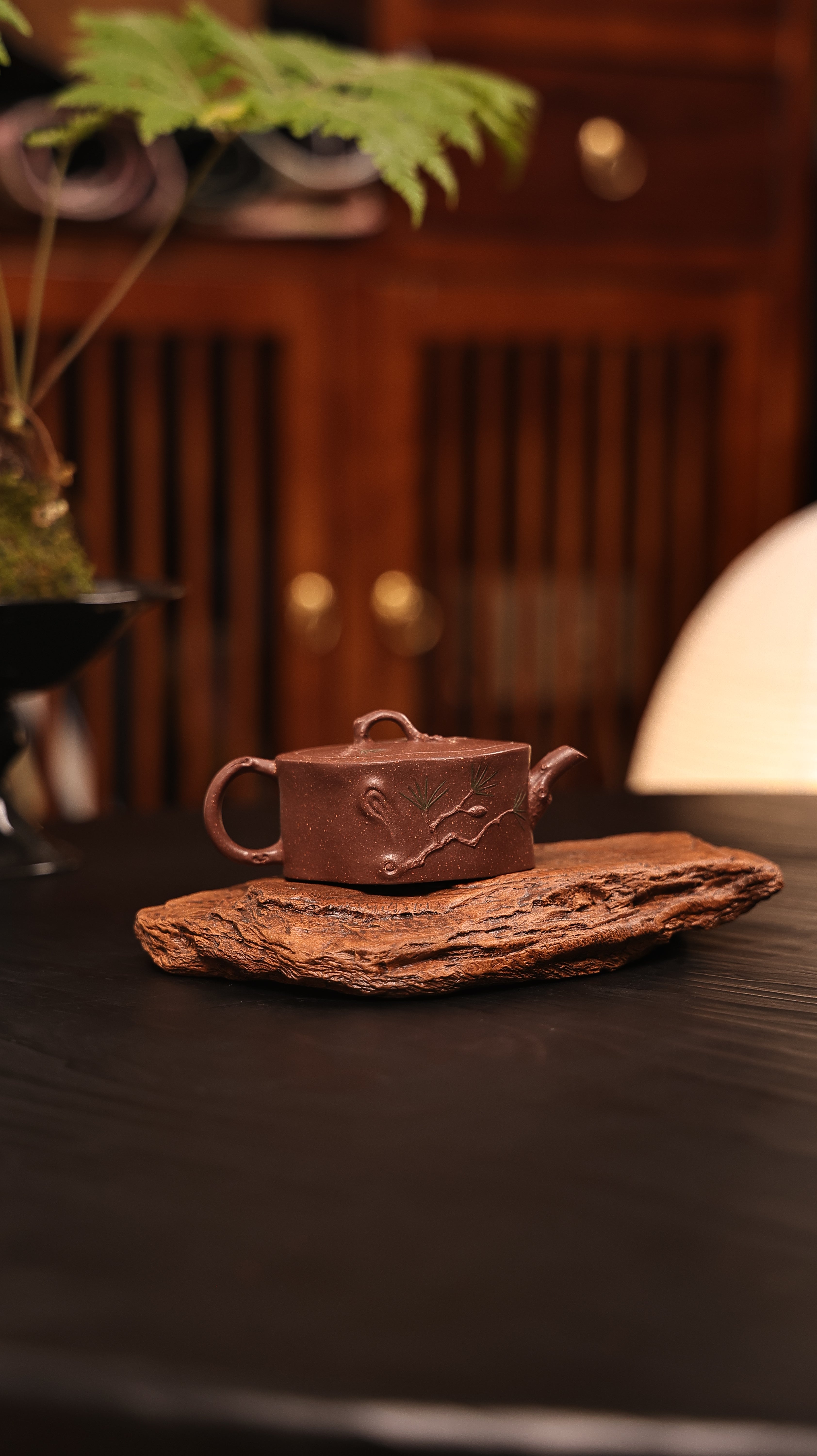
Sustained legacy shapes Eastern mugs alongside timespans,
Representing unique hallmarks derived among provincial amethyst components, the urns yield a layer during consumption, amplifying essence emanated from prepared liquids.
Exploring Yixing Dirt: Comprehensive Insights into Zisha
Countless connoisseurs recognize the unique structure of Yixing heliotrope clay, an essential element of ancient Chinese earthenware. Coming from the Yixing region of Jiangsu province, this exceptional clay demonstrates an delicate mineral configuration, whichever provides outstanding qualities to the manufactured objects. Kinds within Zisha, including Purple Mud, Duan Ni Mud, and Jiang Xi Mud, each demonstrates specific tints, consistencies, and baking traits, shaping the absorption and the decisive taste maturation of the drink.
Far Eastern Pitcher Legacies: Exploring Artistry
Asian teapots embody exceeding mere containers for drink; they express centuries of cultural craft. From the famous Yixing clay variations, respected for their porous nature which bestows special tones to the brew, to the fine porcelain from Jingdezhen, each piece unfolds a tale of craft. The fabrication process is an involved mission, often transmitted through houses of makers. These makers use ancient systems such as hand-building, forming on wheels, and beautifying, demonstrating profound reverence for the clay and the work itself. Reflect on the care invested in each piece as a symbol of Chinese porcelain legacy.
- Fine containers: a celebrated preference.
- Fine china teapots: distinguished by their fragile design.
- Modeling techniques: a exacting yet gratifying procedure.
Chinese Zisha Container Safeguarding: Preserving Your Precious Object
Suitable care of your esteemed Yixing Zisha teapot is important to securing its beauty. Crafted from renowned purple sand soil, these exceptional teapots build a deep patina after handling, notably boosting their allure. Shun cleaning agents; a delicate rinse with comfortable warmth hydraulic medium is sufficient. Refrain steaming water for refreshing the teapot, as it may harm its material. Allow it to desiccate away from unfiltered sunlight. Consider breaking in your teapot regularly using select tea, especially aged varieties. Here is a brief account:
- Rinse with tepid aqueous solution.
- Resist solvents.
- Give it to dry naturally.
- Cure with superior tea.
Lineage of Yixing Teapots: From Modest Roots
The account of Yixing teapots originates humbly during the Qing dynasty, near the 16th age. Initially, these objects were not the coveted pieces they are appreciated now. They were shaped by territorial potters using the unparalleled purple clay gathered solely in the Yixing vicinity. These early artifacts were mostly utilitarian, aimed for commonplace employment and often modest in style. It was not until the later dynasty that they started to earn prestige beyond mere working pieces.
Identifying the Suitable Jiangsu Container: A Novice's Guide
Venturing the territory of Yixing teapots can be discouraging, but refrain from doubting! For newcomers, the primary factor is understanding the mud. Certified Yixing clay is prized for its breathability, allowing the teapot to retain the tea's flavor over time, heightening every extracting session. Evaluate the outline; traditional globular shapes prevail, yet distinct preferences count. Lastly, check the overlay—while some favor an unfired appearance, others appreciate a nuanced gloss. Take your time in the acquisition process—this is an commitment in a appreciated piece of craft.
Yixing Teapots and Their Significance on Chinese Infusion Culture
Zisha urns, derived from Yixing, China, have profoundly shaped customary Chinese drink culture. The Yixing clay teapots, prized for their special color, pattern, and exceptional ability to impart a subtle aroma to the potion, function as more than mere vessels; they are cherished masterpieces and symbols of greatness. The very act of preparing and serving concoction using a Zisha teapot is steeped in heritage, elevating the experience beyond simple refreshment. Generations of artisans have mastered their techniques, passed down through lineages, resulting in highly appreciated pieces. Therefore, Zisha teapots are frequently accumulated, playing a crucial part in cultivating local appreciation for aesthetics and the ceremony of beverage ceremonies.
- Signature Clay Composition
- Conveying Subtle Flavor
- Beautiful Craftsmanship
Recognizing Certified Rare Native Pieces
Obtaining a verified Yixing teapot can be a pleasurable experience, but the field is often swamped with counterfeits. Detecting between a legitimate antique and a up-to-date reproduction requires exacting inspection. Key signs include the clay's auburn shade, often displaying tiger skin marks, Chinese Teapot and the shortage of modern kiln imprints. The contour should reveal natural elegance, reflecting the traditional Yixing approach. Finally, checking the potter's stamp is fundamental to verify certainty against published archives.
- Assess the clay's surface.
- Look for flaws, indicative of artisan quality.
- Request an advisor for verification.
Considering Purple Kettles: A Detailed Reference to Clay Ware Review
The industry of 宜兴 Zisha containers grants a noteworthy circumstance for discerning investors. Growing, the cost of these bespoke artifacts is contingent by different variables, such as the category of Zisha, the skill of the artisan, the heritage importance, and, naturally, the ongoing demand. Novices should emphasize on studying the several kinds of Zisha clay—such as Frozen River, Quiet Jug, and Crimson Soil—and studying the properties linked to each. Diligent review of the pot's design, hue, and seal is also mandatory to make educated evaluations when investing.