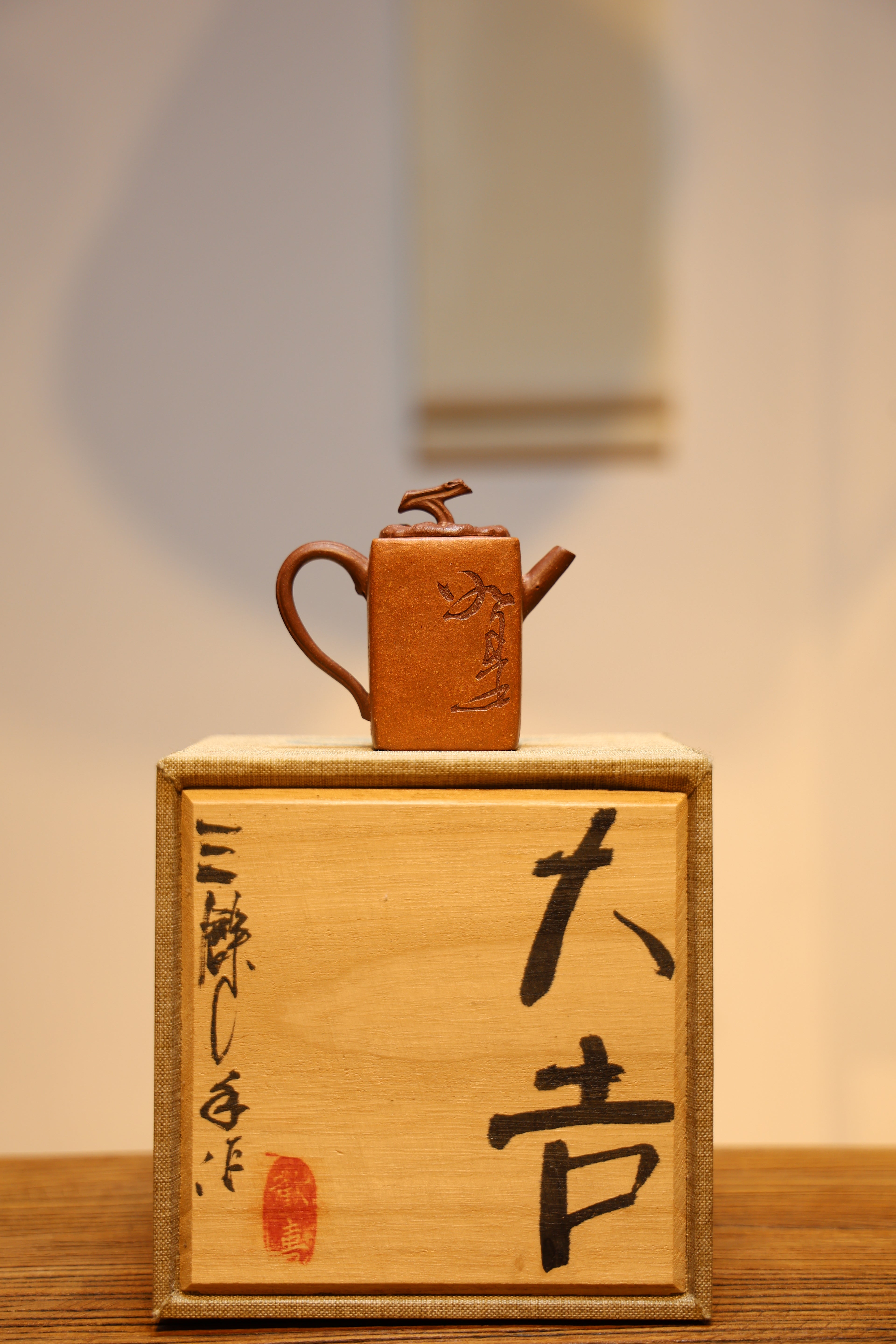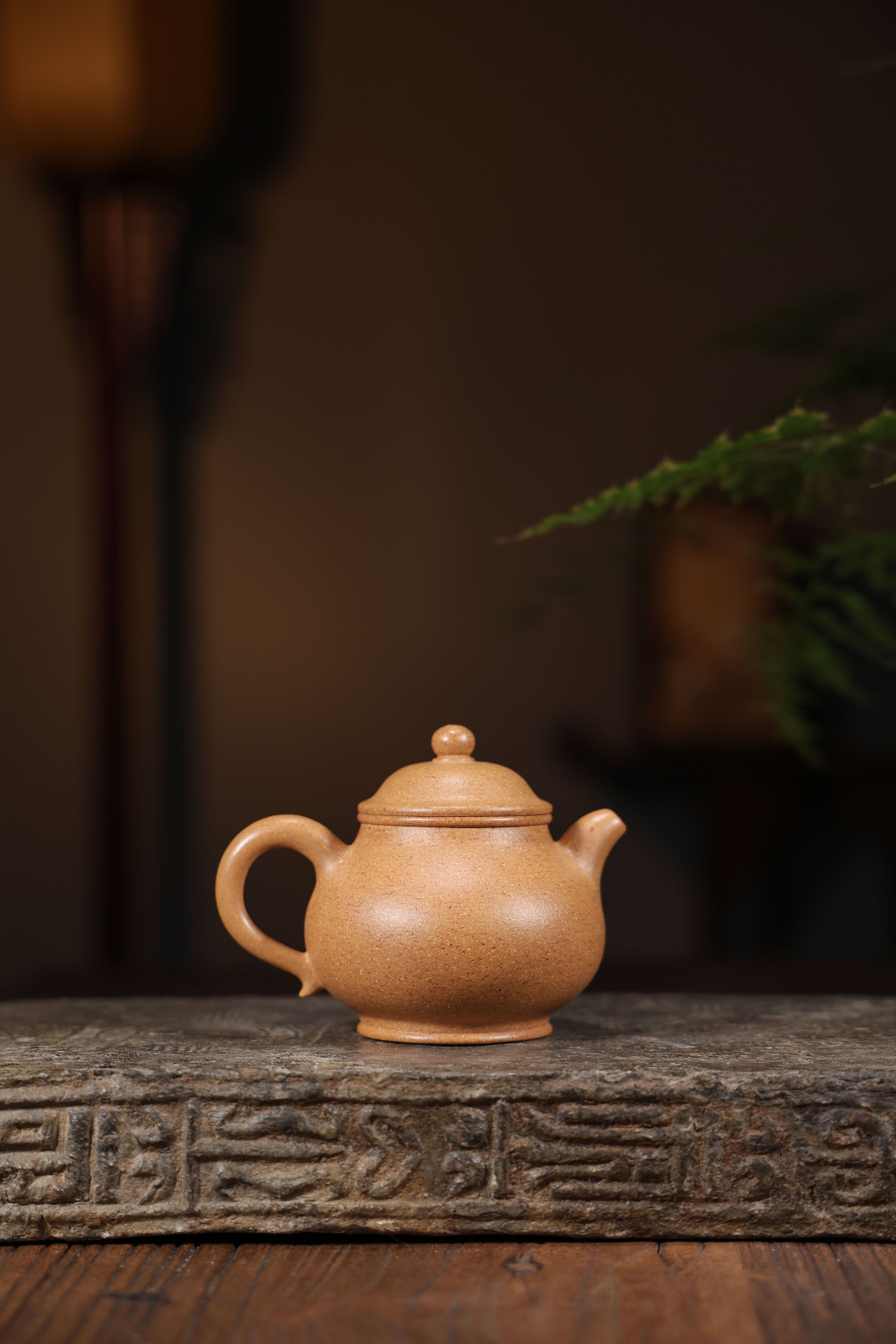
Throughout countless generational spans,
Following ages, admirers have been engaged by the distinctive charm of Yixing Zisha vessels. Originating from the territory of Yixing in the mainland, these utensils are renowned for their exceptional beauty, scarce clay, and intrinsic ability to perfect the aroma of the drink. The material's distinctive maroon hue, combined with the masterful fabrication of indigenous sculptors, creates products that are equally functional crafts and esteemed valuables. Gaining a Zisha teapot is more than just every purchase; it's adopting a rich heritage heritage.
Decoding Yixing Teapots: Origins, Varieties, and Worth
The renowned Yixing teapots constitute a profound past deeply intertwined with Chinese culture. Stemming in the Yixing region of Jiangsu province, these clay vessels boast a heritage stretching back to the Ming Dynasty. Initial examples were functional, but throughout centuries, Yixing teapot forging evolved into an esteemed art form. The clay itself, known for its unique composition and ability to boost the flavor of the tea, exists a defining factor. Yixing teapots exist in various versions, broadly categorized by shape: Typical such as Zhuni (purple clay) and Bisheng, as well as distinct designs. The price of a Yixing teapot is on several factors, including the potter’s acclaim, the age of the piece, the rarity of the clay, and its aesthetic beauty.- Heritage: Centuries ago
- Medium: Assorted selections
- Assessment Factors: Historical period
Art of Zisha Pottery: Skill and Makers
The assembly of a real Zisha teapot is a complex process, requiring extensive times of proficiency. Master artisans meticulously procure the highest quality Zisha clay, a exceptional earth found only in specific regions of China. Customary techniques, often passed down through families, involve accurate shaping, nuanced carving, and deliberate firing in ancient ovens. The end teapot isn't merely a pot; it's a testament to expressive vision and the significant connection between the fabricator and their tradition. Each work showcases the particular touch of the fabricator, resulting in a truly exceptional work of design.
The Clayware: Discovering the Extensive Traditions of the Yixing Locality
Yixing, positioned in Jiangsu the expanse, is internationally renowned for its exceptional cookware – a tangible representation of Yixing Teapot centuries of Chinese art. These aren't merely vessels for making tea; they are intricate works of creativity, often reflecting cultural ideals. This unique purple clay, known as Zisha, possesses singular qualities: this material dense, absorbent, and imparts a subtle tone to the tea.
- Several households have honed the techniques of Yixing earthenware making, passing down traditional methods through lineages.
- Fans prize these pieces for their beauty and uniqueness.
- A number of piece tells a tale, connecting the consumer to a rich tradition.
Entering Yixing Zisha: Important Factors
During analyzing get Yixing Zisha teapots, multiple aspects necessitate careful analysis. Preliminarily, the ingredient's color is crucial; authentic Zisha usually exhibits a evident maroonish gradient. As well, evaluate the handiwork; well-defined details and a refined finish imply experienced creation. Ultimately, determine the creator’s record; noted names garner elevated costs and often deliver a stable return.
Zisha Pot Techniques for Tea Brewing
Infusing sumptuous tea with a Zisha urn is more above a simple procedure; it's an discipline. Zisha clay, celebrated for its unique mineral composition, imparts a elegant character to the crafted tea that’s often unavailable with other vessels. The correct water heat is vital; typically, subdued than what's used for black tea, to conserve the tea's perfume and palate. Consider carefully the tea form; delicate green teas or aged pu-erhs prosper from the Zisha’s ability to tone down their inherent edge. It’s important to condition the teapot stringent to brewing, and to stop over-steeping. Mastering this technique leads to a rightfully exceptional tea event.
- Grasping Zisha Clay
- Water Temperature & Tea Classification
- Necessity of Preheating
Safeguarding Your This Kettle
To ensure prolong the life of your cherished Yixing vessel, ongoing servicing is vitally required. Avoid using soap; instead, lightly wash it with mildly heated fluid. Avoid rapid temperature; please don't put the earthenware directly onto a heated stand. Periodically, mature the urn by infusing it with choice aged steep, as this aids to strengthen its flavor and conserves the inherent merits of the substance.
Relating to Earthenware to Drinkware: The Journey of a Chinese Ceramic
This creation of a Zisha teapot is a impressive method, a proof to both nature's bounty and the ability of the specialist. It commences with the diligent extraction of the rare clay from the reddish Zisha mines neighboring Yixing. This raw material, known for its extraordinary properties, is then patiently refined and configured for the initial forming. The vessel’s figure is precisely fashioned using a union of established hand-building techniques, often incorporating ornate figurings. Following drying, the vessel undergoes a decisive first firing, consecutively done by a layering stage, which might involve several layers of earthy Zisha applications. Finally, a second, and sometimes third, firing at powerful temperatures realizes the piece, revealing its complete beauty and remarkable characteristics - a legitimate masterpiece, arranged to compliment a tea custom.
{Yixing Teapots: A Representation of Chinese Heritage and Respect
Esteemed Yixing teapots, originating from the prestigious Yixing region of Jiangsu province, are far more than mere ceramics for brewing infusions; they represent a weighty aspect of Chinese culture. Crafted from distinctive purple clay – zisha – these exceptional teapots are highly valued for their ability to improve the flavor of the tea and, crucially, for their artistic merit. The tradition of Yixing teapot making spans centuries, and the expertise involved is transmitted through generations, making each teapot a masterpiece that embodies long-established techniques and a profound appreciation for the modest pleasures in life.