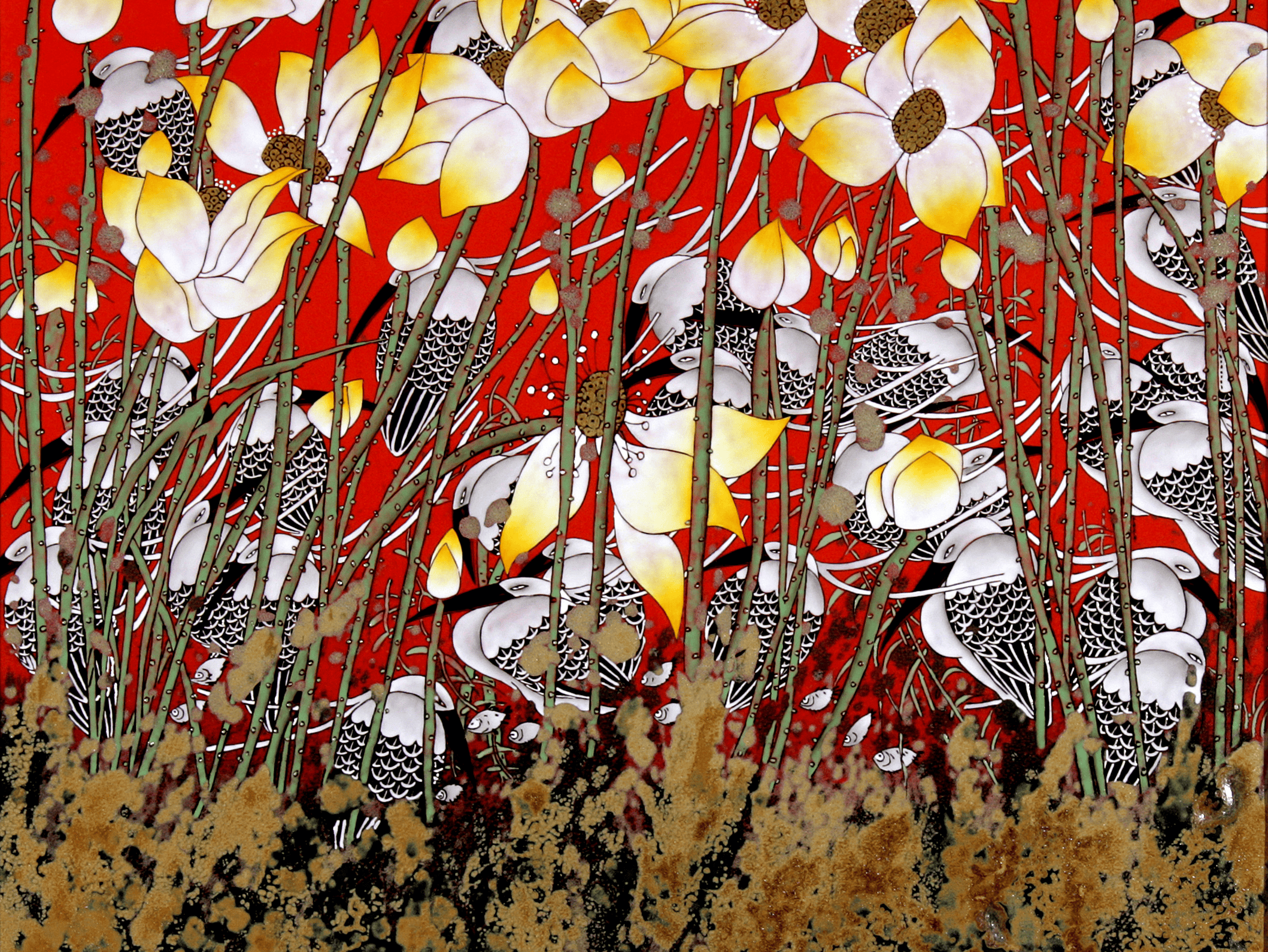
Brick form represents a extraordinary expression style with a enduring legacy, reaching back innumerable of times. From ancient receptacles to up-to-date installations, the substance offers exceptional possibilities for creative expression. Craftsmen use wide-ranging techniques – including hand-building, wheel shaping, and developed firing processes – to fashion humble silt into compelling three-dimensional forms. The endurance of fired porcelain also contributes to its status as a truly consequential part of human culture.
Examining Terracotta Shield Layouts and Ways
The sector of ceramic plaque design offers a wide array of innovative possibilities. Creators often adopt a amalgamation of authentic and up-to-date techniques to craft visually remarkable pieces. These can move from simple, shaped reliefs to complex, multi-layered compositions. Routine methods include slip casting, forming by hand, coating application – which can involve diverse modes like initial glaze painting, decoration on top of the glaze, and scratched design where designs are uncovered by removing a layer of glaze. Further scrutiny into surface treatments such as thermal treatment and pearlescent coating can offer truly special and bespoke stoneware panels.
- Mold Making - Creating pieces using a model
- Hand Shaping - Accurately crafting the dirt
- Glazing - Smearing the shell with a glossy finish
- Scratched decoration - Uncovering designs by eroding shells
Absorbing Experiences: Ceramic Art Expositions
The advancing landscape of expression presents exciting new avenues for attendees, and ceramic art installations are at the cutting edge of this movement. These aren't just static creations; they are constructed to envelop the spectator in a sensory surrounding. Imagine passing through a forest of towering, glazed ceramic trees, or navigating a complex of intricate ceramic vessels. Many producers are now incorporating sonics, light, and even essence to enhance the sensation of their work. Visualize the power of a room filled with hundreds of carefully ceramic artifacts, each telling a account. Often, such installations study themes of the earth, history, and humankind.
- The mentioned installations blur the distinctions between figure and environment.
- Viewing a ceramic art installation can be a deeply affecting journey.
- Sculptors are challenging the thresholds of what is achievable with clay.
Such Allure of the Porcelain Vase: Role and Formation
The earthenware holder represents a wonderful integration of effectiveness and visual appeal. Historically, these pots served a simple purpose in preserving liquids, but their growth has transformed them into highly valued works of craftsmanship. Each creation showcases the ability of the builder, demonstrating how shape can be as vital as service. The deliberate shaping, the exceptional glazes, and the holistic presence of a well-made container can lift a space, offering both magnificence and a quiet reminder of the manual hand.
Latest Brick Art : Expanding Thresholds
Recent ceramic art represents a fascinating change from traditional practices. Creators are energetically testing with novel systems, blurring the distinctions between pottery and separate expressive domains. From colossal installations to elaborate miniature pieces, noted works probe themes of identity while at the same time reshaping the definition of what ceramics can accomplish. The consequence is a lively arena of innovative manifestation.
Stoneware Sign: Guarding Past in Earthenware
Earthenware plaques offer a special method for memorializing significant events and individuals. Compared to traditional metal or stone markers, these long-lasting pieces of craftsmanship are formed from fired clay, creating a tangible link to the olden times. Traditionally, they highlight intricate bas-reliefs or delicately designed imagery, expressing stories that might otherwise be ignored. Such technique, originating Jingdezhen Ceramic Cup Set in ancient civilizations, provides a striking and eternal way to recognize our collective legacy.
- These can be placed in general spaces.
- Various are now viewed historical relics.
Ceramic Art Presentations: Reimagining Environments
Ceramic art installations are materializing a influential medium for creators to revise public and private areas. These immersive designs frequently involve large-scale clay artifacts that surround viewers, shifting their appreciation of the created environment. By incorporating diverse ways like manual assembly and complex firing procedures, ceramic artists generate truly original experiences, softening the boundaries between production and space. The upshot is often a impactful modification that improves the aesthetic quality of the site and encourages communication.
Beginning Spindle to Marvel: The Practice of the Clay Holder
The journey of a clay holder from a simple lump of earth to a polished work of art is a testament to human talent. Classicall, the process initiates with the potter’s circular platform, where the talented artisan carves the spinning earth into a cylindrical design. This early part demands precision and a sharp eye, followed by a delicate dehydration period. Once heat-treated, the jar is ready for detail work, which may feature illustrating intricate patterns, etching detailed illustrations, or executing a assortment of enamels. The closing baking process then modifies the product into a durable and eye-catching pot, a tangible manifestation of the artist's passion.
Pottery with Pottery: A Course to Brick Art
Entering the domain of terracotta composition begins with understanding the fundamentals of carving with stoneware. The aforementioned practice involves thoughtfully layering and taking away components to make three-dimensional models. If you're a neophyte or a seasoned maker, playing with assorted sorts of pottery – for example ceramic – will support you detect your personal signature. At last, terracotta carving is a fruitful process that joins expert proficiency with original communication.