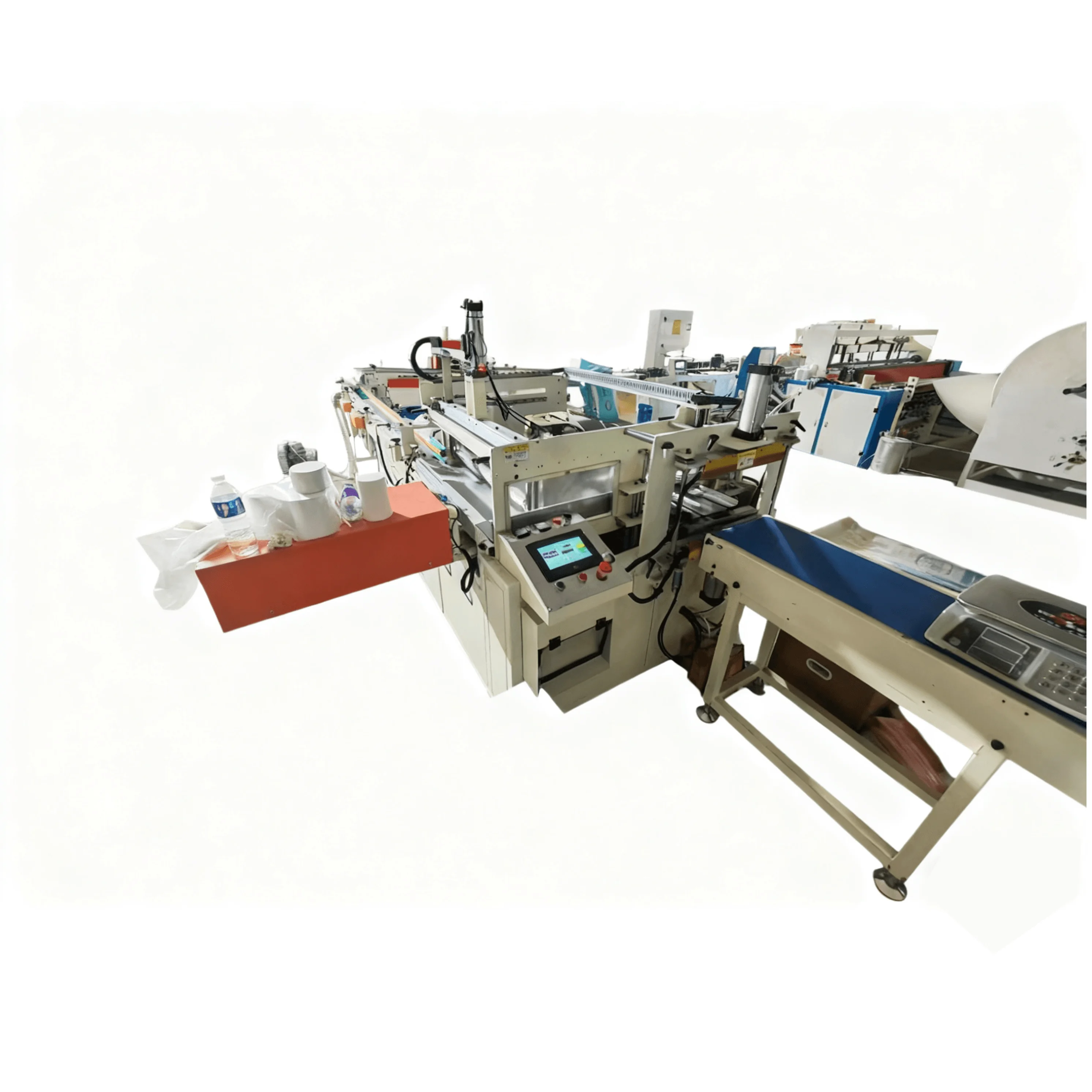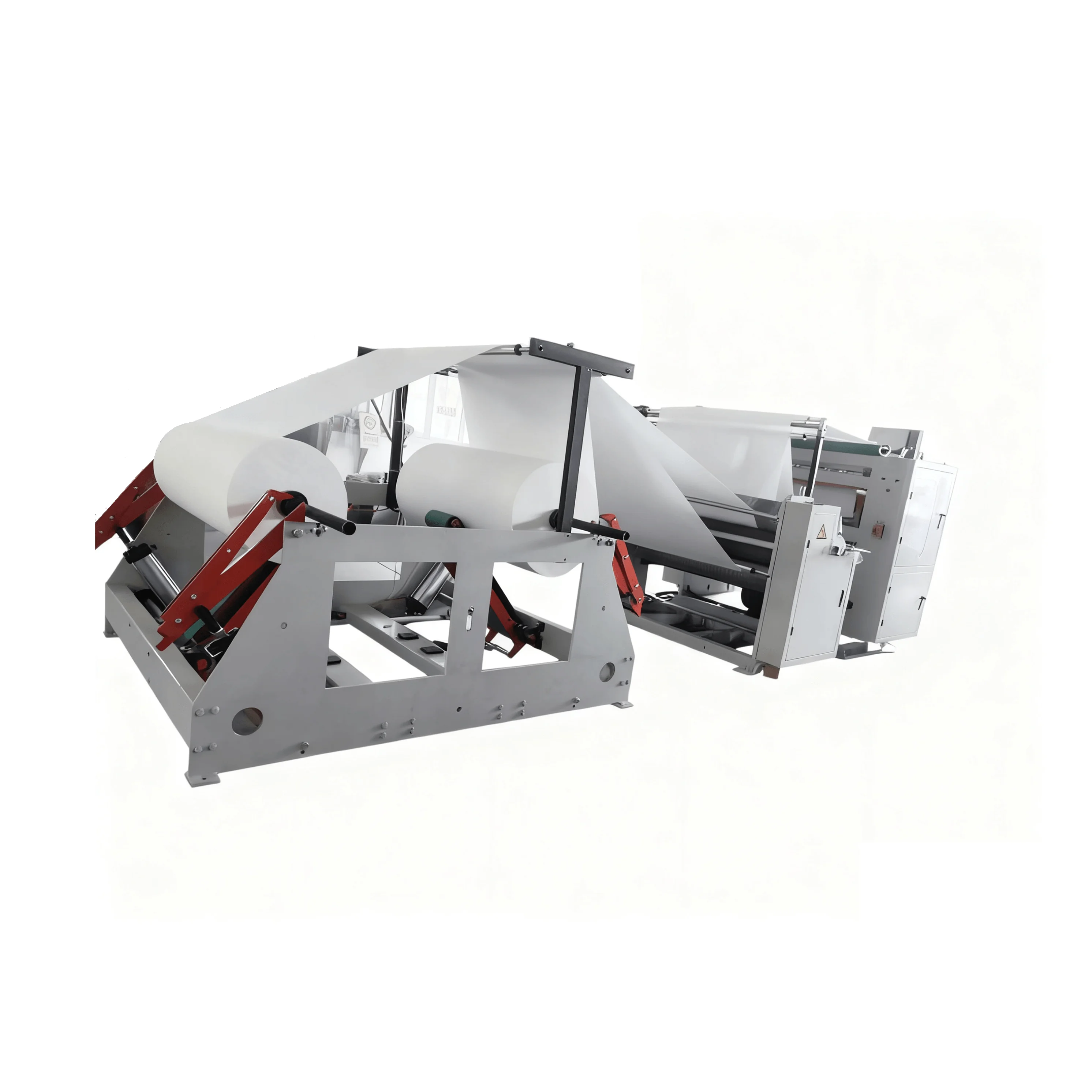
Examining investing in secondhand disposable paper apparatus? Such is a savvy option for many operations planning to curtail expenditures. But, there are significant points to examine before you make a procurement. Such report will address fundamental issues such as scrutinizing apparatus status, understanding their past, and negotiating a balanced value.
A Absorbent Product Construction Equipment: The Elaborate Outline
Beginning with lightweight product assembly device use can seem challenging, but it's core concept is surprisingly uncomplicated. Our introduction explores the vital parts of a thin paper manufacturing mechanism, explaining complete starting with introductory commissioning to consistent upkeep. We'll cover the varied models of units supplied and provide views pertaining to the suitable protocols for achieving high-quality towel output. To sum up, these treatise intends to support apprentices to understand the domain of lightweight pulp machine engineering.
Developing Disposable Paper: – Originating from Onset to Velvety Finish
Keen on absorbing how to assemble your own tissue sheets? The technique might come across as complex, but it's exceptionally plain with the right tools. You'll start by producing a fine blend from retrieved particles, usually timber pulp. This gets then laid on a rotating conveyor, where dampness is methodically evacuated through curing. Finally, the generated segment is scrupulously gathered and spun into the standard lightweight style you perceive. With training, you can generate a pleasing and effective article.
Evaluating pre-owned Paper System: Financial Savings & Tips to Seek Related to
Getting a previously owned tissue system can deliver substantial financial savings compared to obtaining a state-of-the-art one. On the other hand, it's important to meticulously assess the considered tool before completing a transaction. Important factors to consider contain the device's history, preceding employment, cumulative technical performance, and if reserve units are quickly available. Abstain from disregarding on a qualified audit to warrant consistent productivity and cut down on potential refurbishment outlays.
Buying specific Second Hand Paper Tool: Uncovering Reliability & Endurance
Venturing into the market for a refurbished tissue mechanism can be such an strategic move to curtail capital investments. However, confirming operational efficiency and prolonged reliability is essential. Rigorous inspection of the apparatus is particular must, paying close consideration to this condition of drums, warming areas, and comprehensive mechanical functionality. In addition, researching the toilet paper band saw device's archive – including past management and maintenance documents – is significant. Consider hiring proficient engineers for such professional evaluation and be equipped to arrange value properly.
- Evaluate drums for deterioration.
- Determine heating productivity.
- Audit maintenance documentation.
- Pursue specialist guidance.
Disposable Paper Making Instrument Options: New vs. Pre-owned
Determining between a advanced and a recycled tissue paper machine is a important determination for any corporation entering or expanding in the tissue business. Latest models offer modernized technology, optimized efficiency, cut maintenance spending, and a full support. However, they also come with a greater beginning investment. Alternatively, previously owned systems present a inexpensive possibility, allowing businesses to start production with smaller capital. Careful assessment of a funds, creation ability, and anticipated intentions is required to settle on the optimal alternative.
- Merits of a advanced equipment
- Limitations of a advanced apparatus
- Pros of a pre-owned instrument
- Limitations of a reconditioned apparatus
Toilet Paper Production: A Step-by-Step Guide to Equipment Operation
The procedure of tissue paper involves several stages on a complex mechanism. Initially, substantial rolls of pulp – typically made from repurposed wood fibers – are positioned onto the supply section. Following this, the paper advances through a series of evaporation rollers, furnaced cylinders, and temperature-regulated drums. Those components operate to lessen the moisture measure and develop the desired mass and softness. A critical point is the surface treating process, where a edge scrapes a thin layer of paper, creating wrinkles that contribute to the final product's delicacy. At last, the ready tissue paper is wound into major rolls, then sliced into smaller, retail rolls or cuts for shipment.
- Beginning Pulp setting
- Dehydration and chilling aqueous content
- Surface Treatment for feel
- Finishing roll twisting and cutting
Exhaustive Guide to Used Tissue Paper Machines for Small Businesses
Researching a option for the expanding business? Pre-owned tissue paper mechanisms can grant a remarkably cost-effective alternative to participating in the absorbent market. A guide intends to outline every facet – from identifying credible suppliers and analyzing machine brands to managing care and likely barriers. Find out how anyone can optimize their return while adopting conservation-oriented production processes.
Restoring Absorbent Instrument: Troubleshooting & Challenges on Recycled Units
Working with secondhand tissue paper tools can present special complications. Regular servicing is critically fundamental to ensure steady working. Common defects often stem from worn rollers, corroded pressure components, or obstructed breathable conduits. Well-executed problem solving involves meticulously reviewing specific segment and replacing damaged elements. Besides, lubricant treatment of moving components and scheduled flushing of breathable ducts are essential to curbing anticipated shutdowns. Consider working with a qualified technician for complex repairs or extensive renovations.